

Bowling Centre Investment Guide for Sri Lanka
30 October 2026
5 Min Read
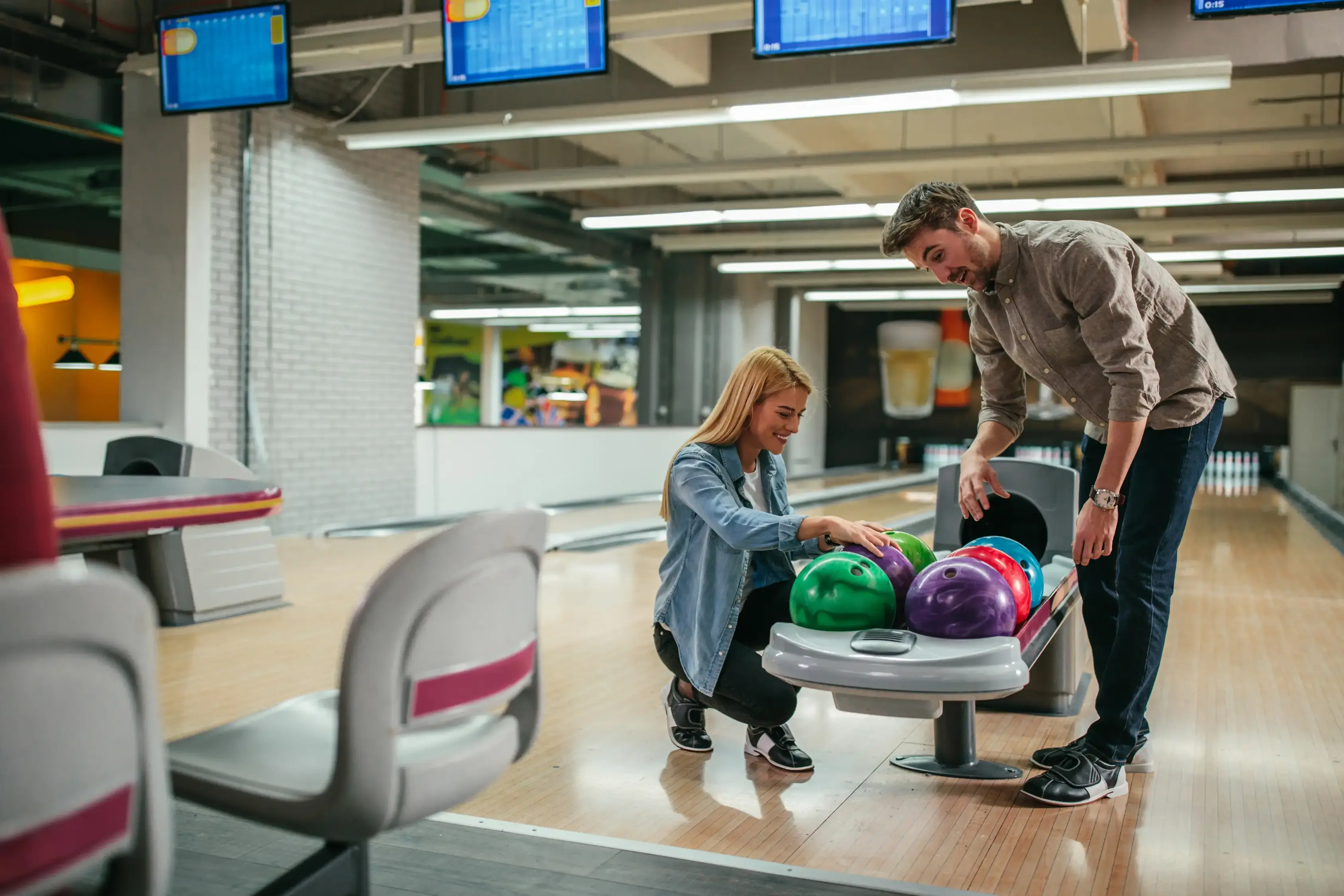
Planning a bowling centre setup in Sri Lanka involves more than selecting bowling equipment and finding a suitable property. Investors must consider the target audience, location, available space, construction requirements, operating expenses and the entertainment experience they want to create.
For family entertainment centre (FEC) investors, shopping mall operators and hotel or resort developers, bowling setup can form part of a broader leisure offering. However, the right investment model depends on local demand, competition, customer spending patterns, and the property's commercial objectives.
This guide explains the key considerations for planning a bowling centre in Sri Lanka, from choosing a business model to evaluating equipment and preparing an investment plan.
1. Choose the Right Bowling Centre Business Model
The first step is to define how bowling will fit into the wider business. A standalone venue, a mall-based attraction and a hotel amenity have different space requirements, operating priorities and revenue opportunities.
Family entertainment centres and shopping malls
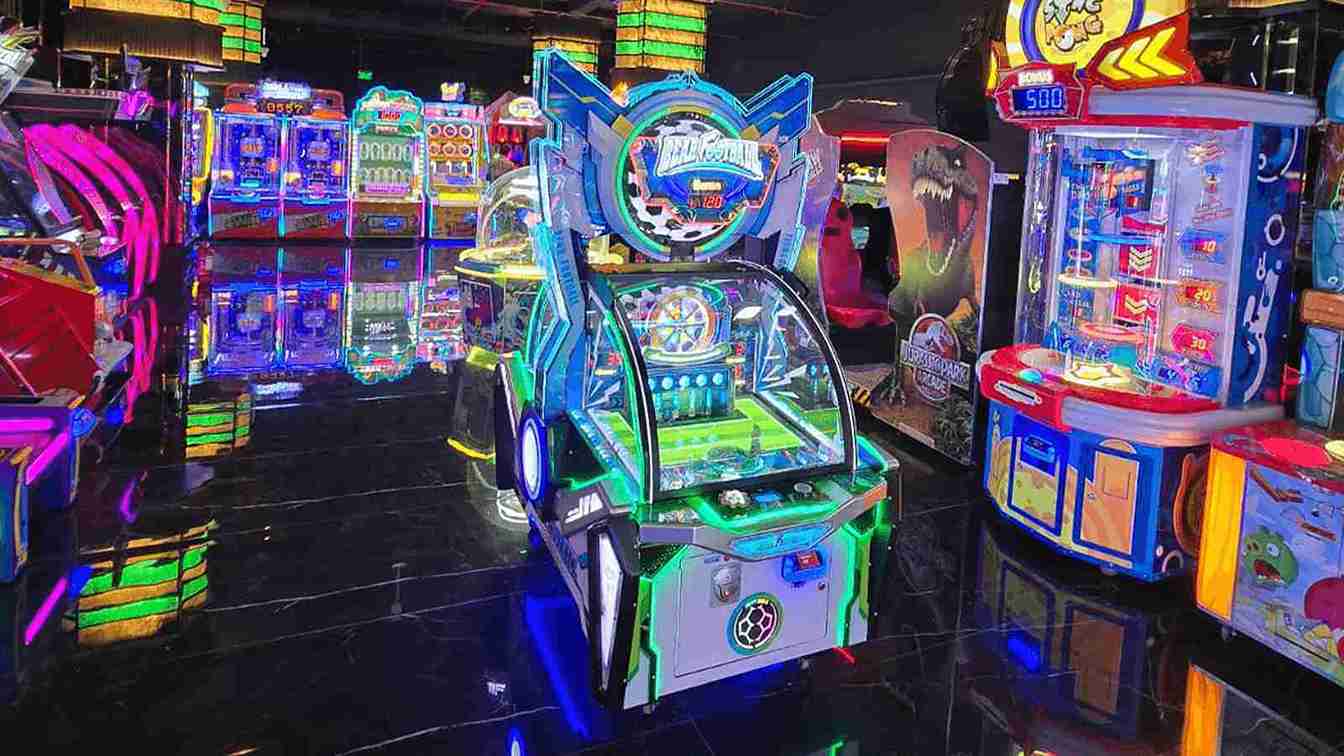
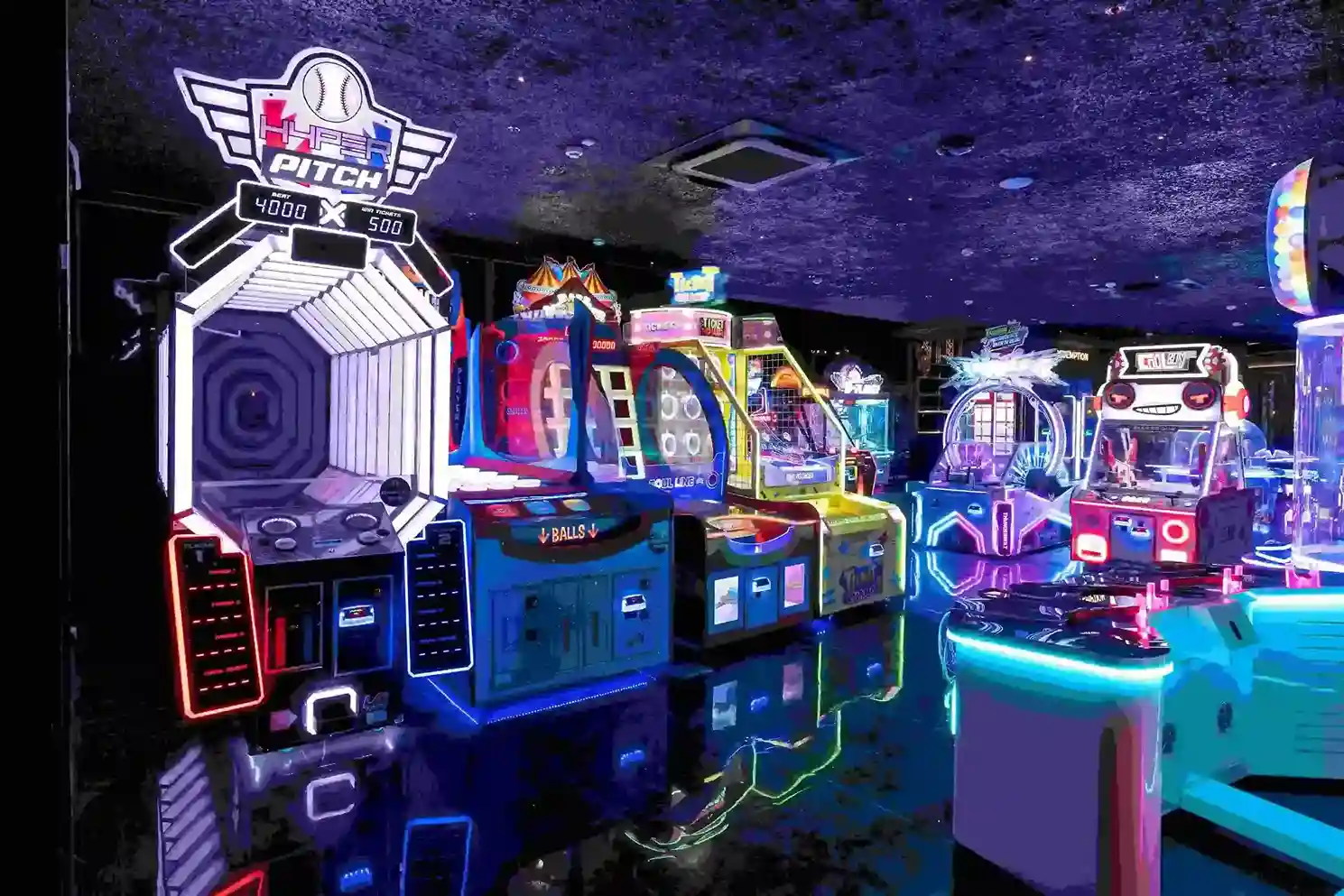
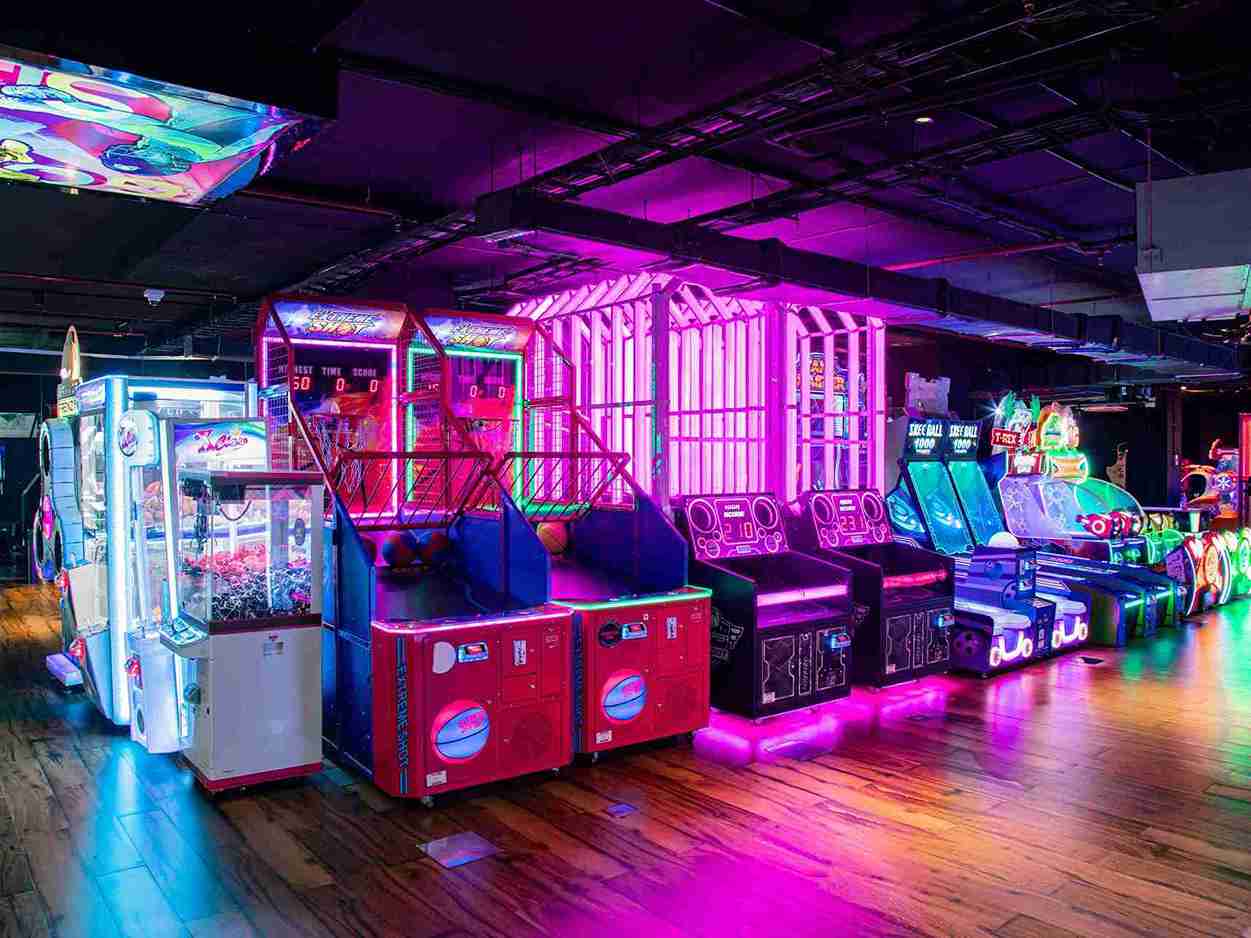
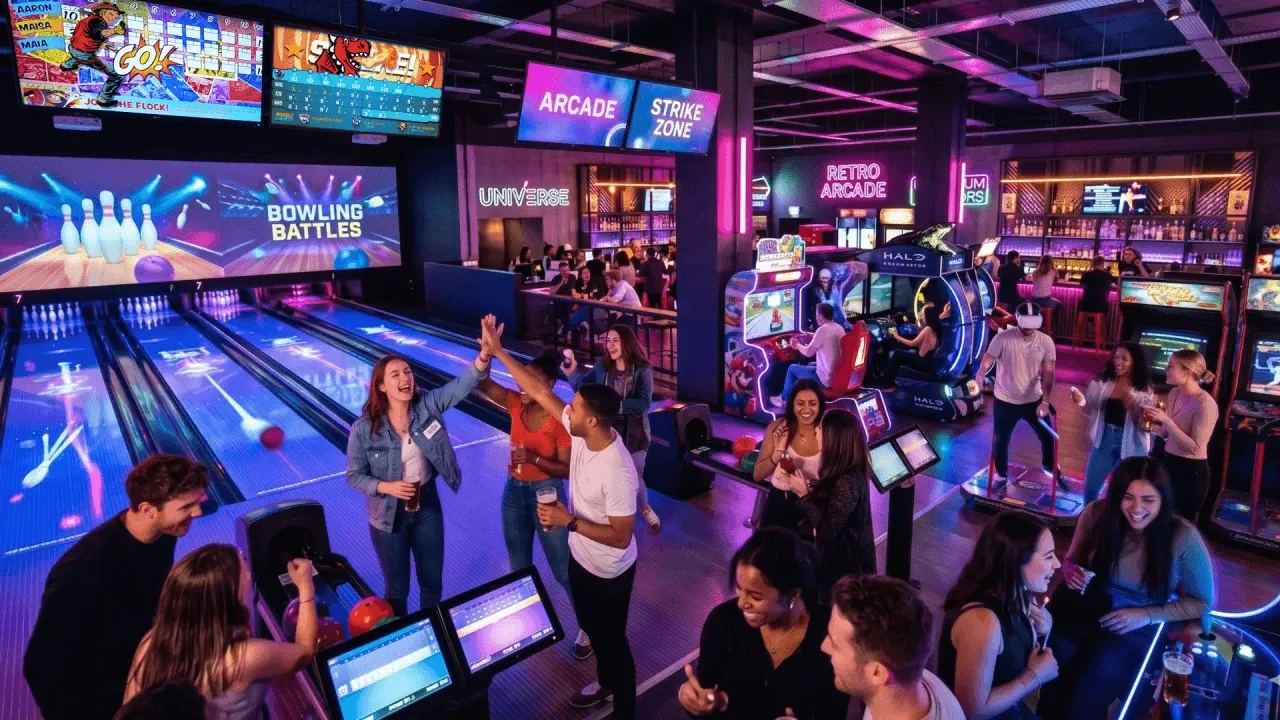
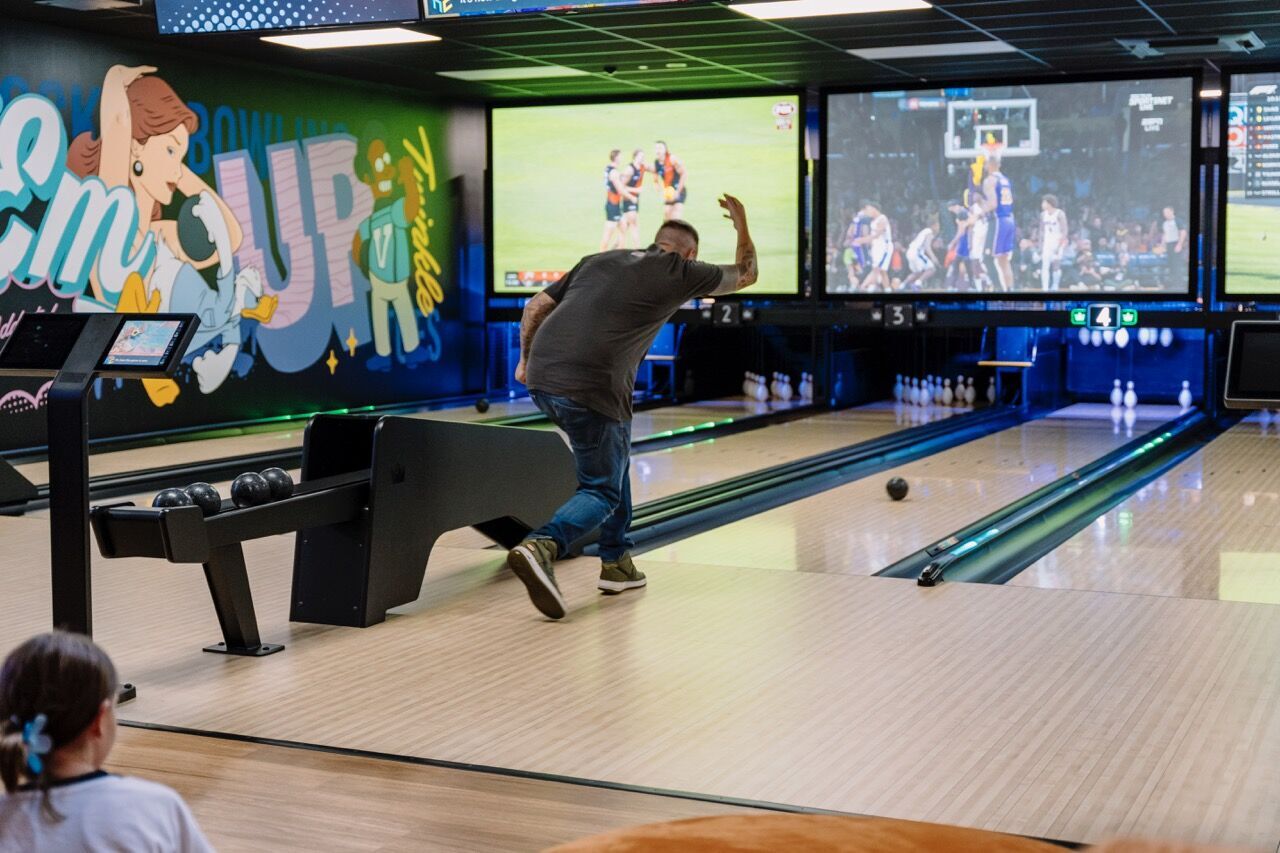
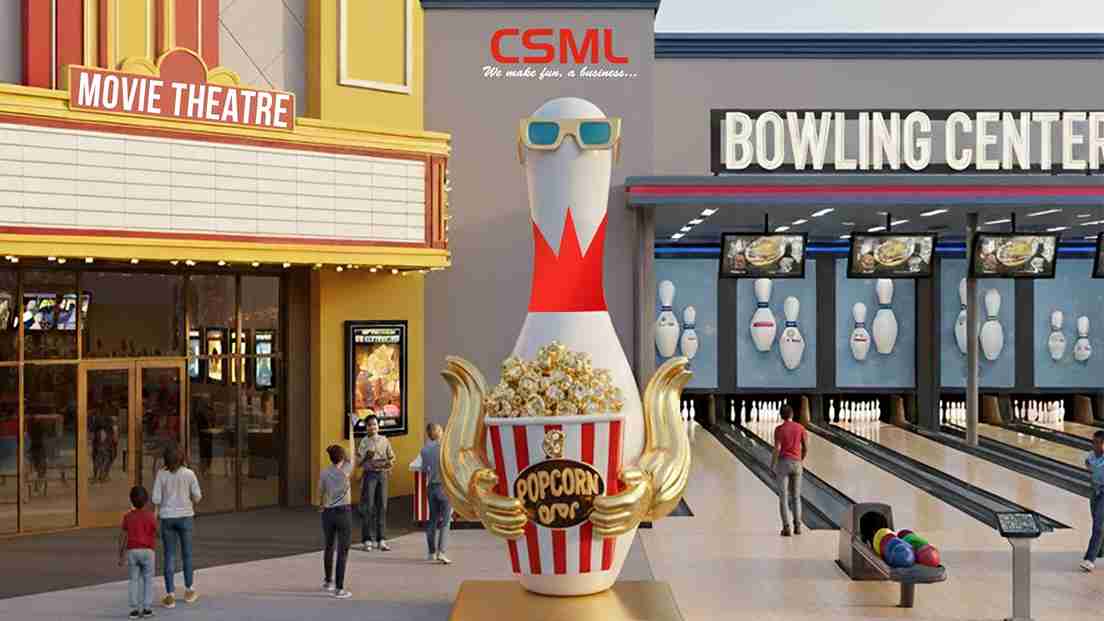
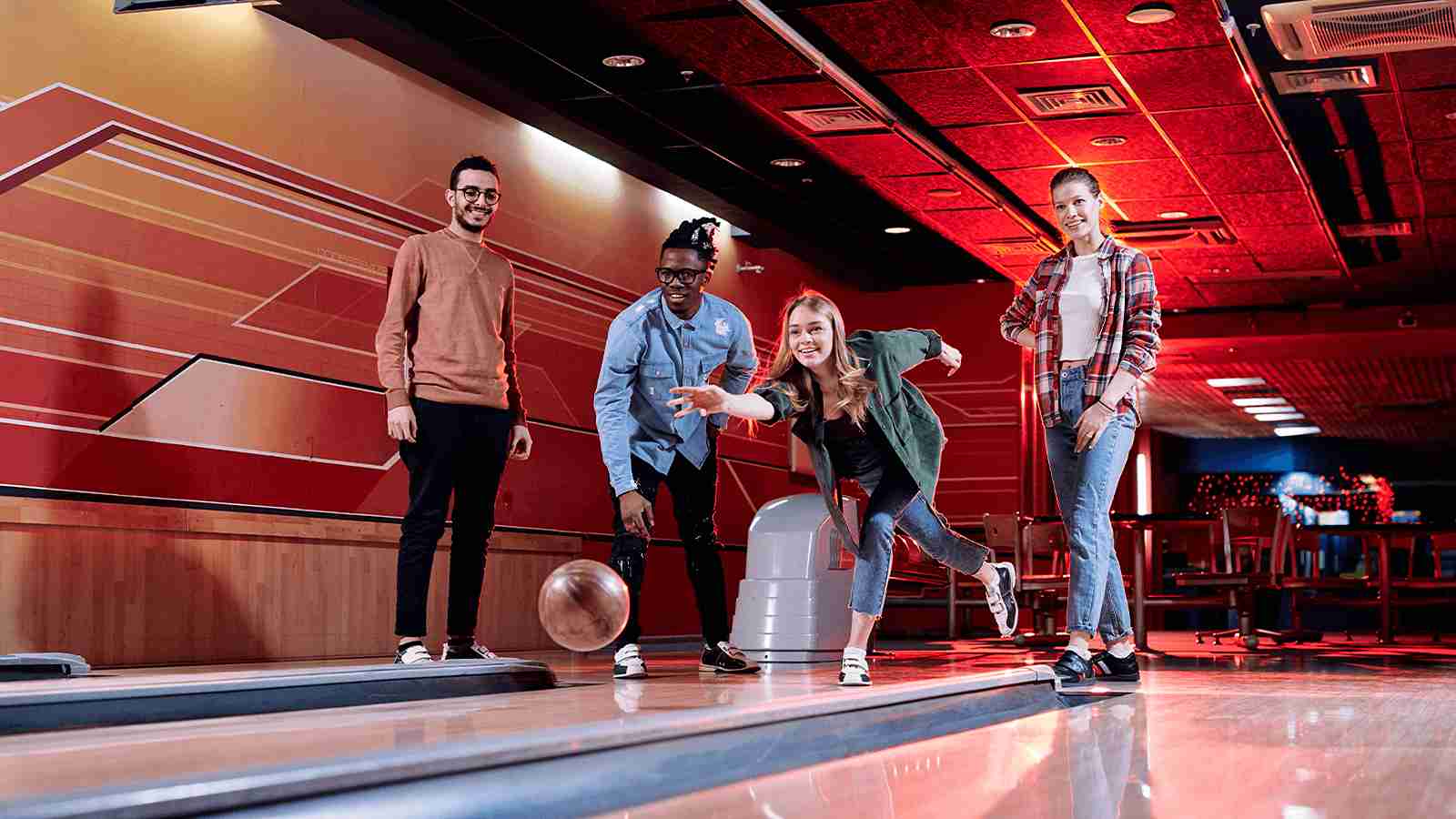
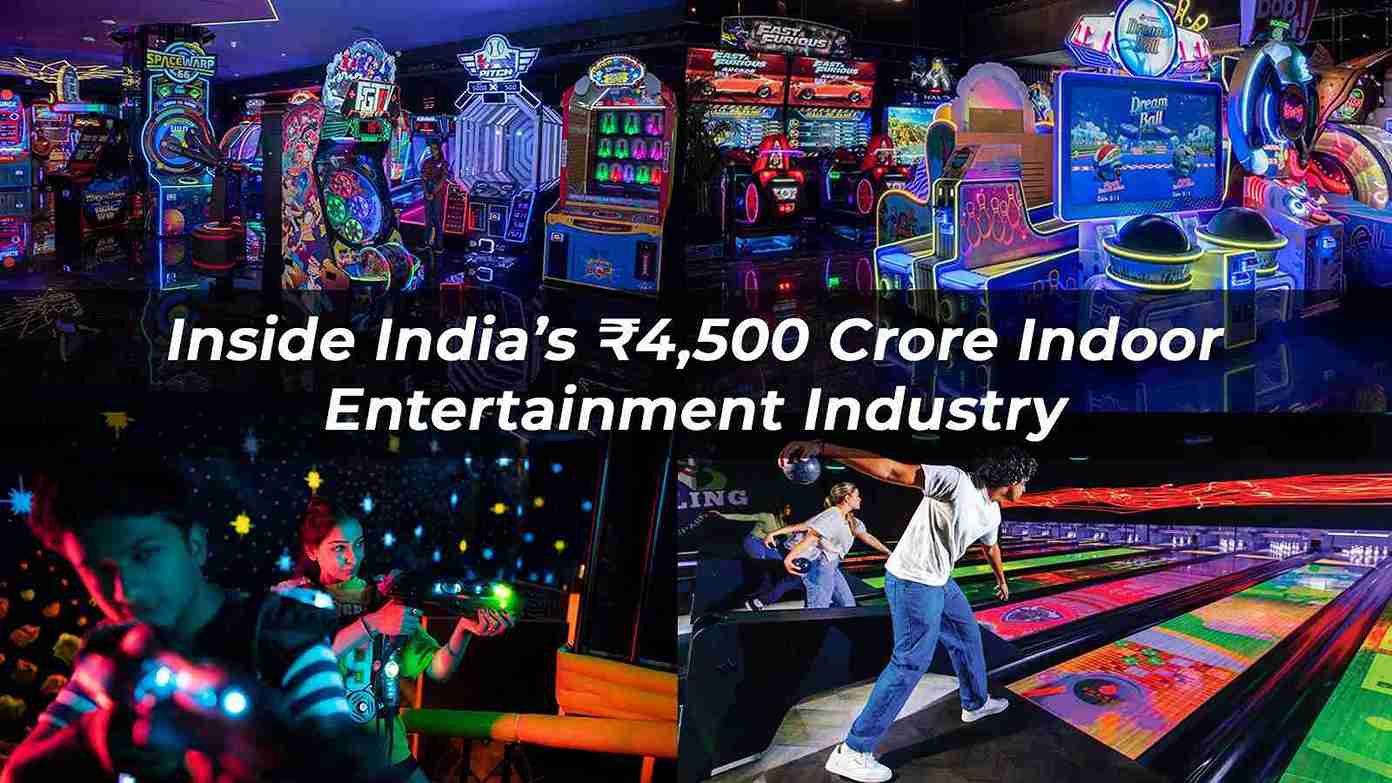
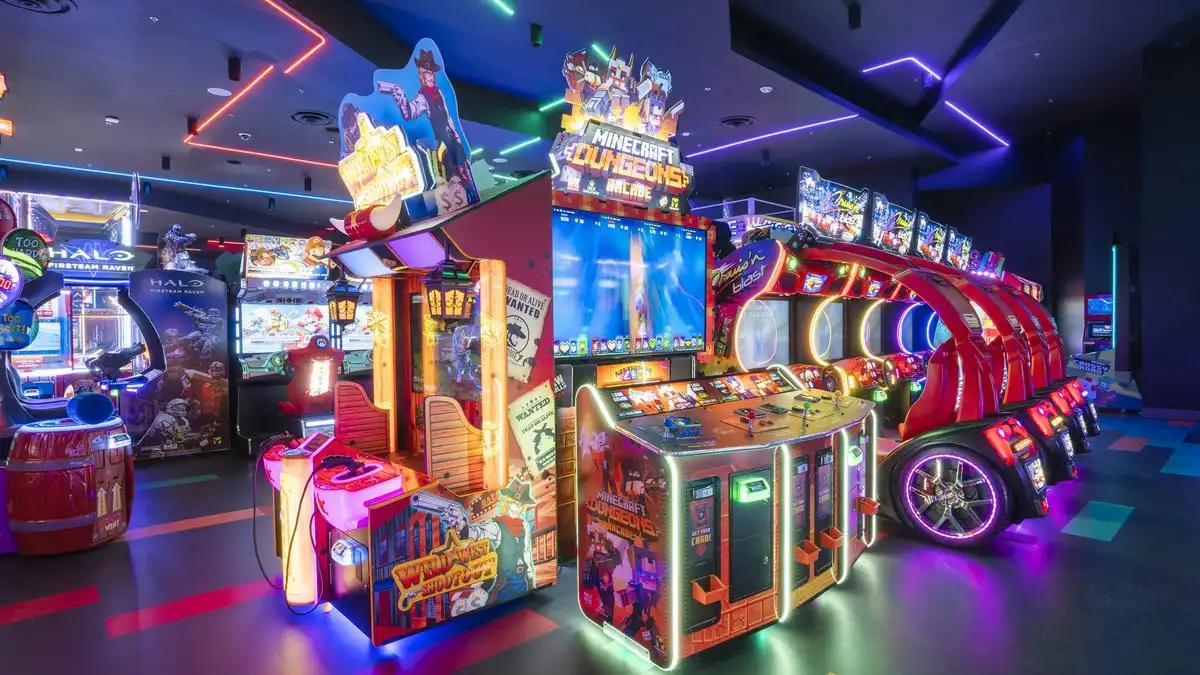
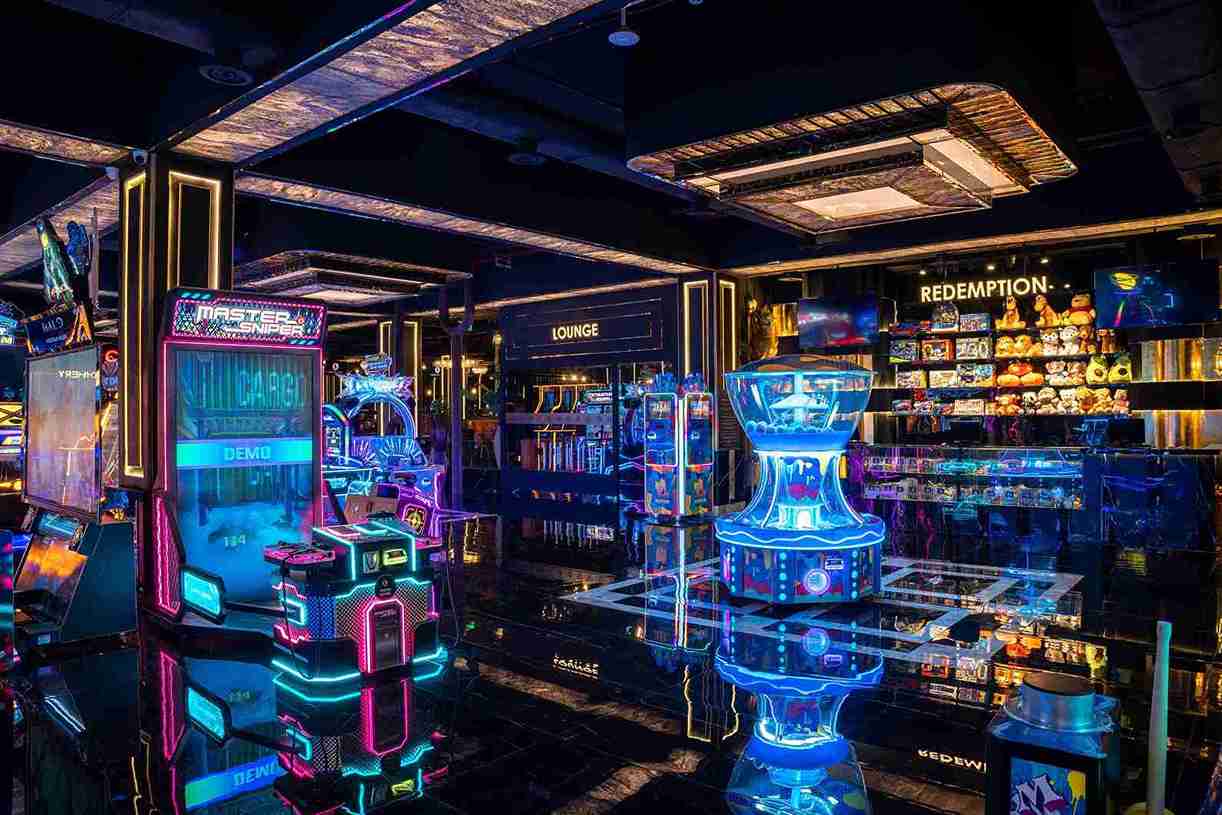
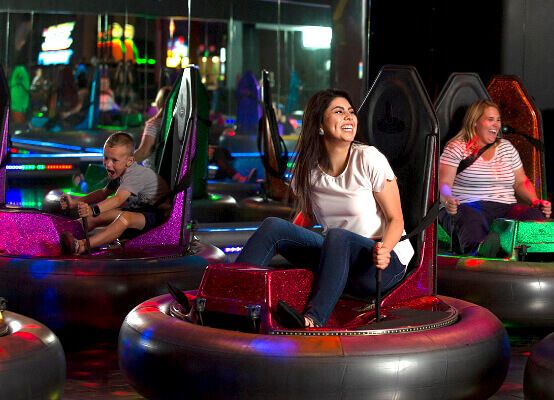
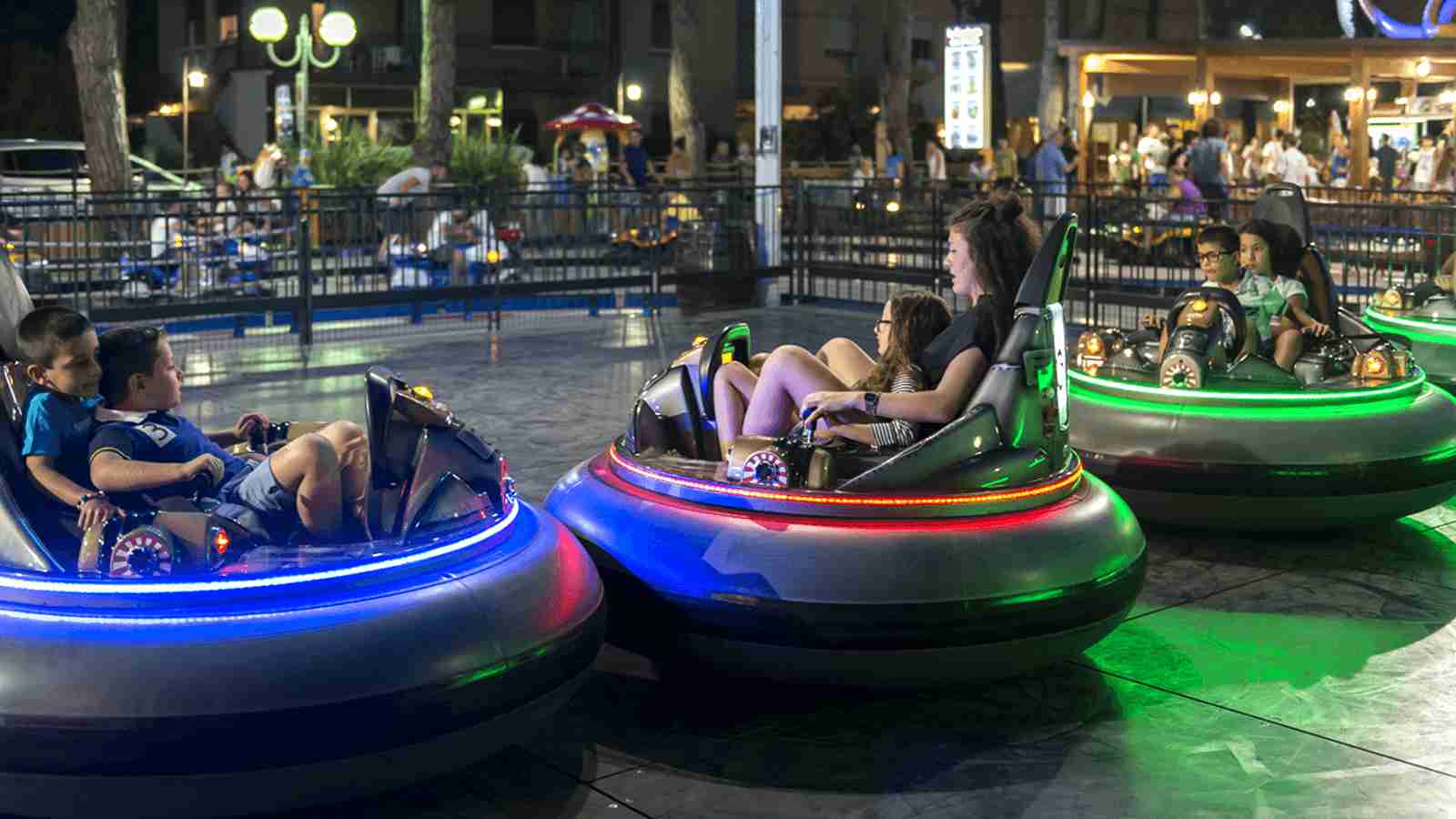
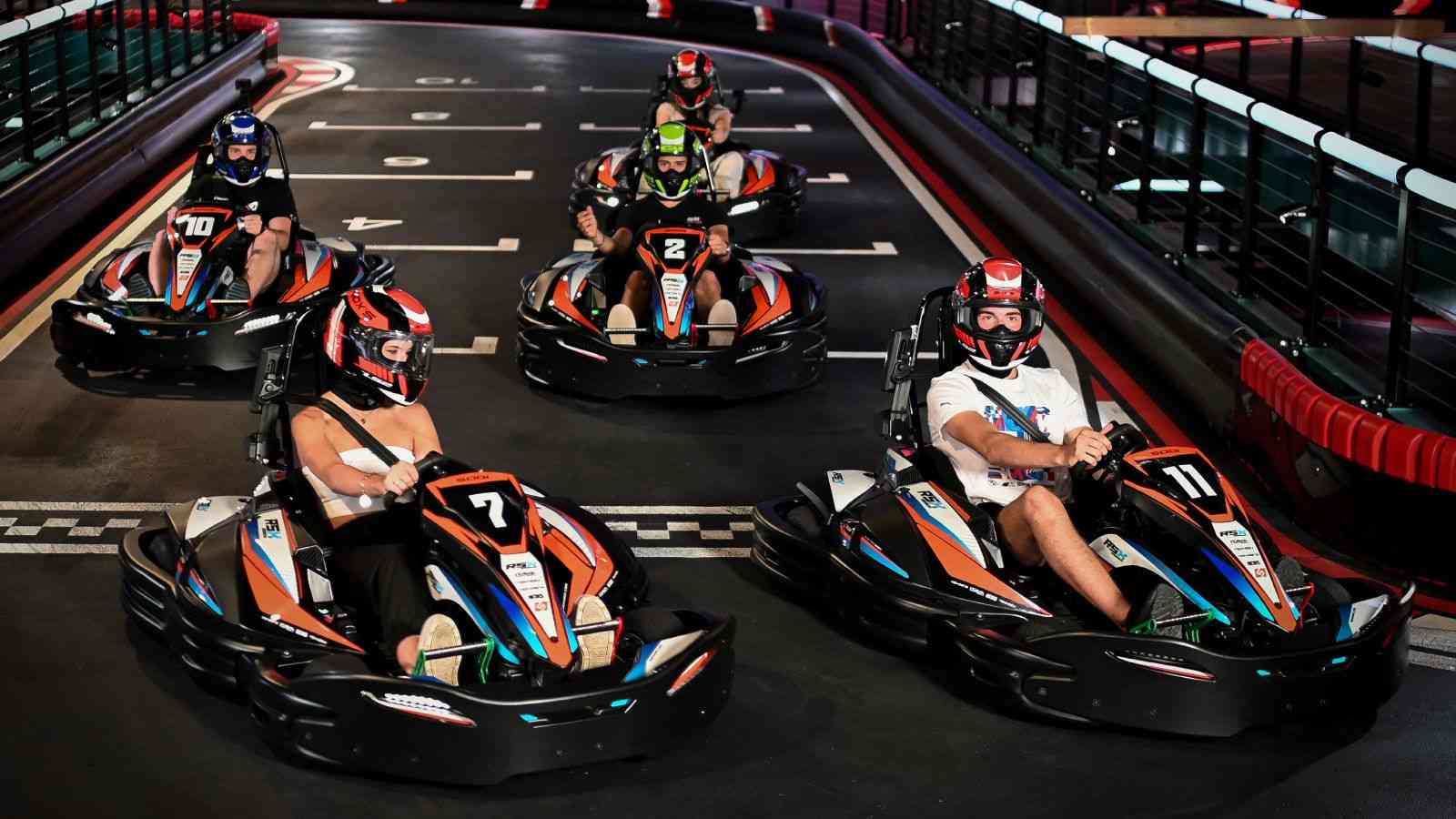
A bowling centre within a mall or FEC can combine bowling with arcade games, party areas, food and beverage facilities, and other indoor attractions. This approach can appeal to families, groups of friends, birthday parties and corporate gatherings.
Investors should evaluate the surrounding residential population, competing entertainment venues, accessibility, parking and the mall's existing visitor profile. A larger attraction mix may encourage longer visits, but it also increases investment and operational complexity.
Hotels and resorts
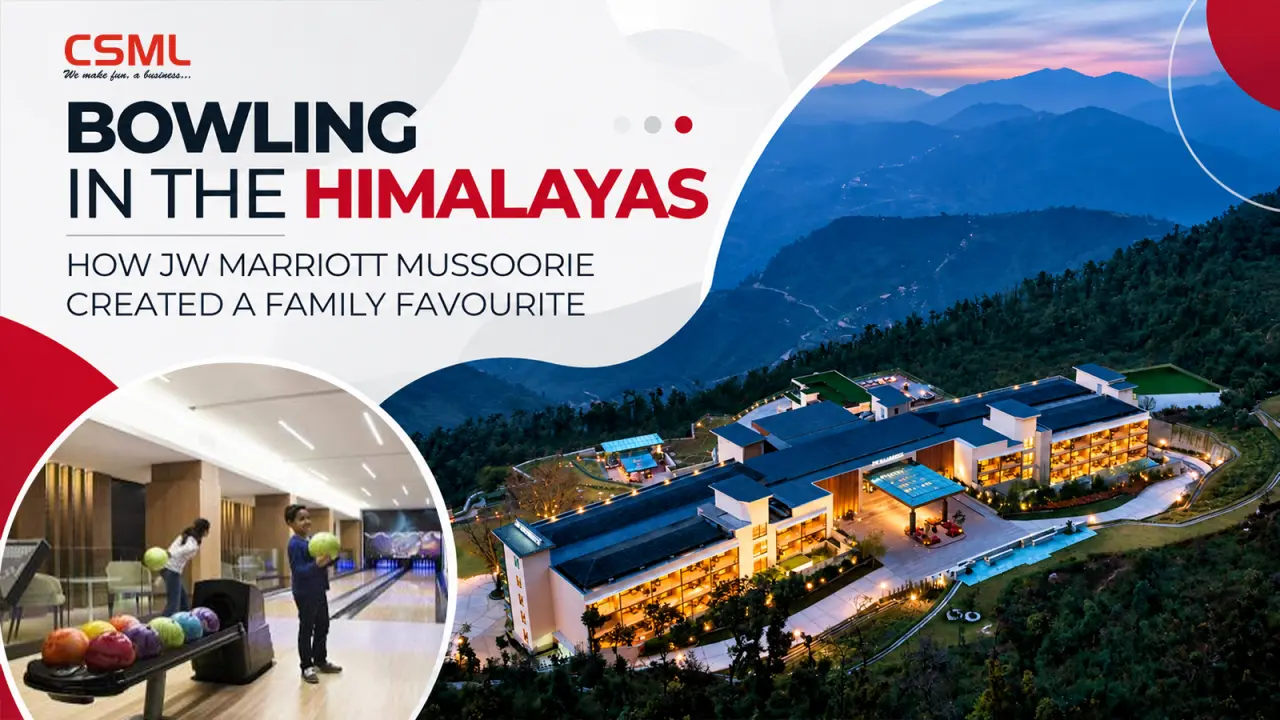
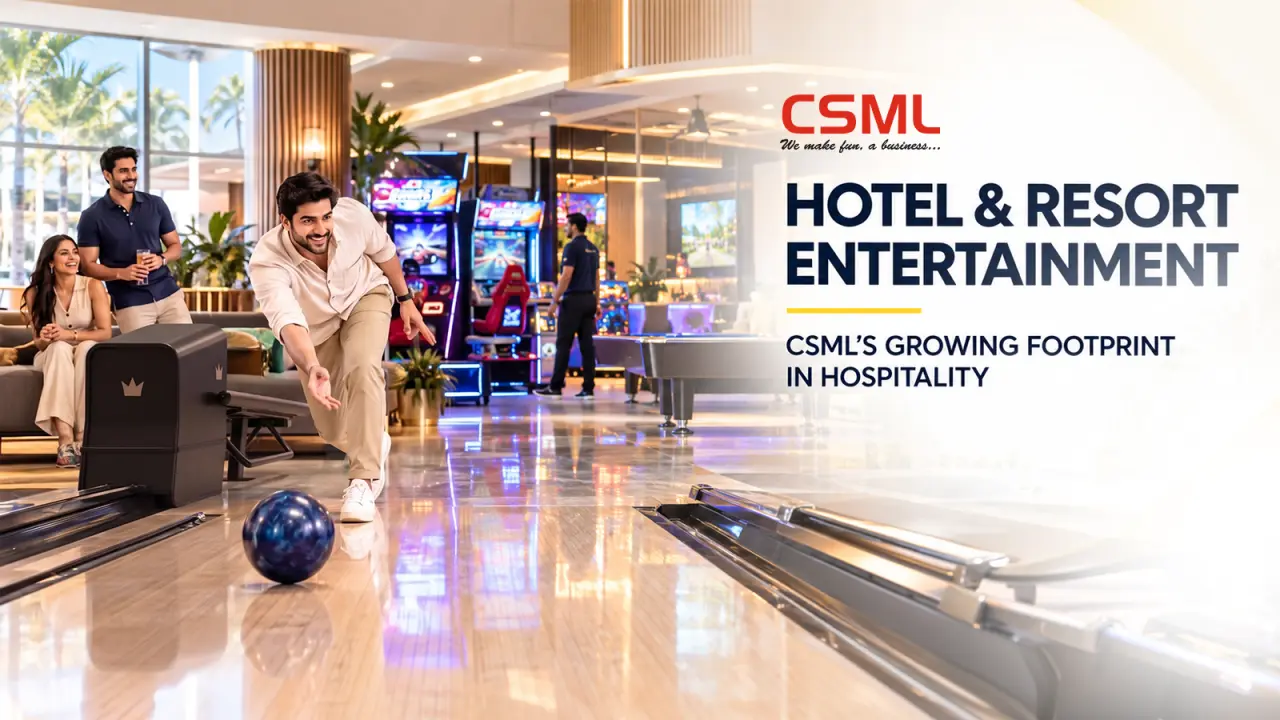
For hospitality developers, bowling can complement restaurants, swimming pools, conference facilities and other leisure amenities. It may provide an indoor activity for guests during their stay and create an additional option for group events.
Sri Lanka's tourism sector provides a relevant context for hospitality-led leisure investments. The country recorded 2,333,797 tourist arrivals in 2025, according to Sri Lanka Tourism. Nevertheless, national tourism figures should not be treated as a forecast for any individual property. Developers should assess their destination, guest demographics, occupancy patterns and expected use of recreational facilities.
Standalone bowling centres
An independent venue needs a clear reason for customers to visit. Potential audiences may include local families, young adults, schools, corporate groups and organised celebrations.
For a Bowling Alley Business in Sri Lanka, investors should assess whether demand is likely to extend beyond weekends and holidays. Advance bookings, group packages, leagues and events may help diversify customer visits, depending on the location and audience.
2. Assess the Location and Available Space
Location and property suitability can influence the investment more than the equipment selection alone.
Before signing a lease or purchasing land, evaluate the following:
- Catchment area: Identify the residential communities, workplaces, hotels and other destinations that could generate repeat visits.
- Accessibility: Consider road access, parking, public transport and ease of finding the venue.
- Competition: Review existing entertainment options, their pricing, facilities and positioning.
- Property suitability: Check the usable floor area, ceiling height, structural capacity, access for equipment delivery and scope for future expansion.
- Building services: Discuss electrical supply, ventilation, air conditioning, lighting and other requirements with qualified professionals.
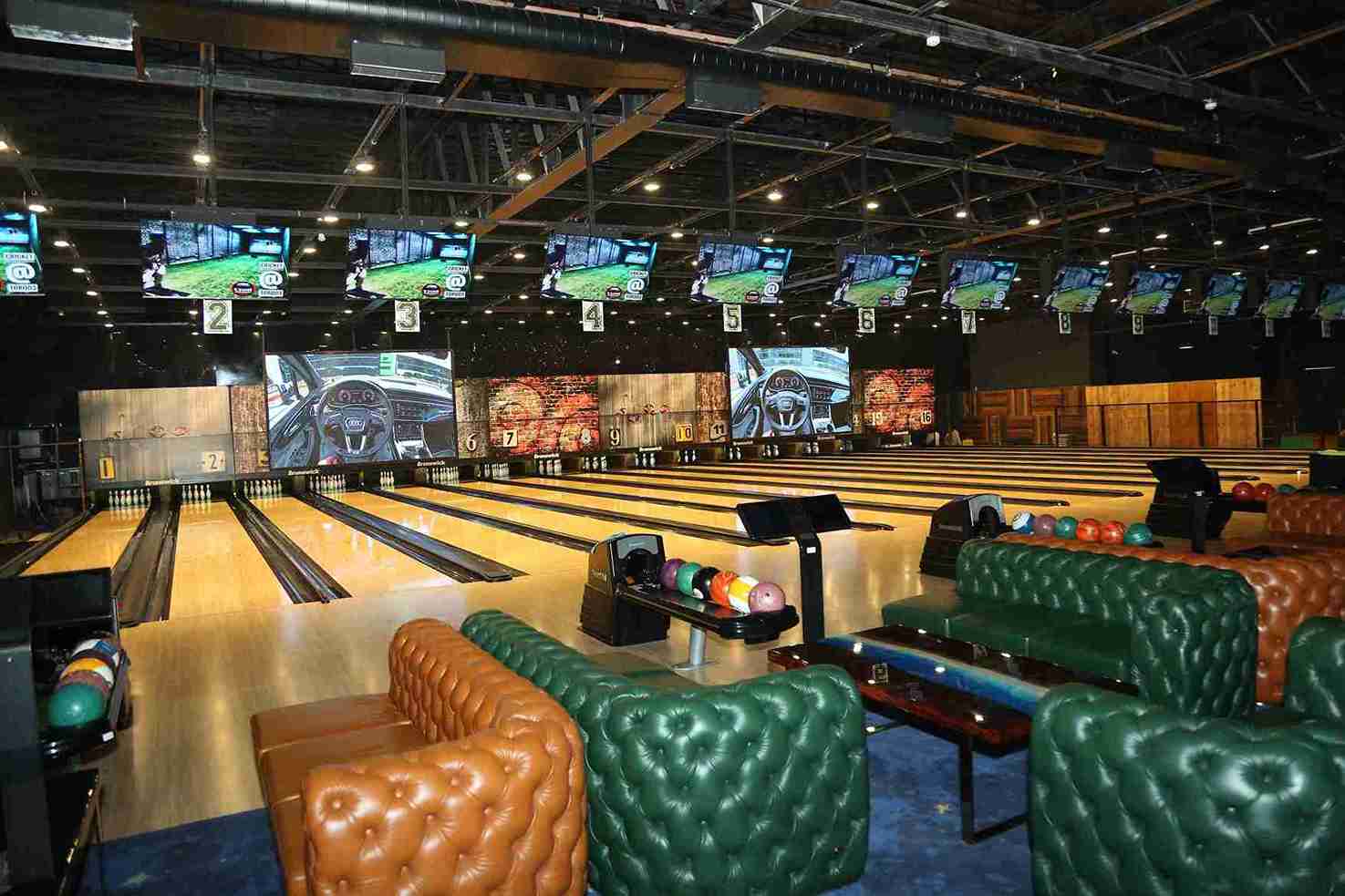
A bowling centre needs space for more than the lanes themselves. The layout must accommodate the approach area, seating, ball returns, pinsetting equipment, circulation routes, reception, storage and any food service or additional attractions.
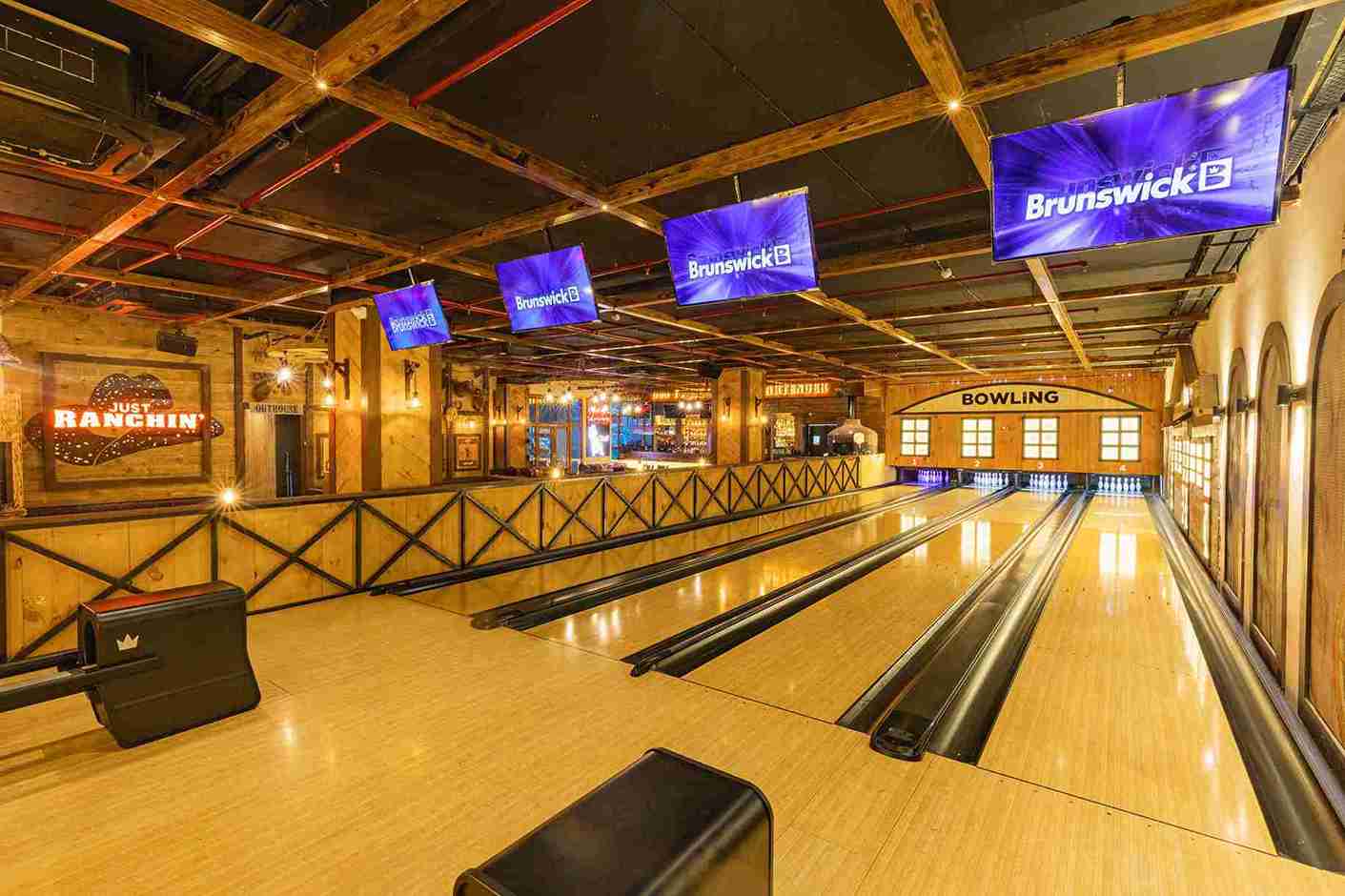
A standard tenpin bowling lane is 60 feet (18.29 meters) long and 42 inches (1.066 meters) wide. These figures are useful starting points, not the total floor area required for a commercial centre. A detailed layout should account for equipment, service access, customer movement and building constraints.
3. Select Bowling Lanes and Equipment for Your Concept
Bowling equipment should be selected according to the intended audience, operating model, available space and investment budget.
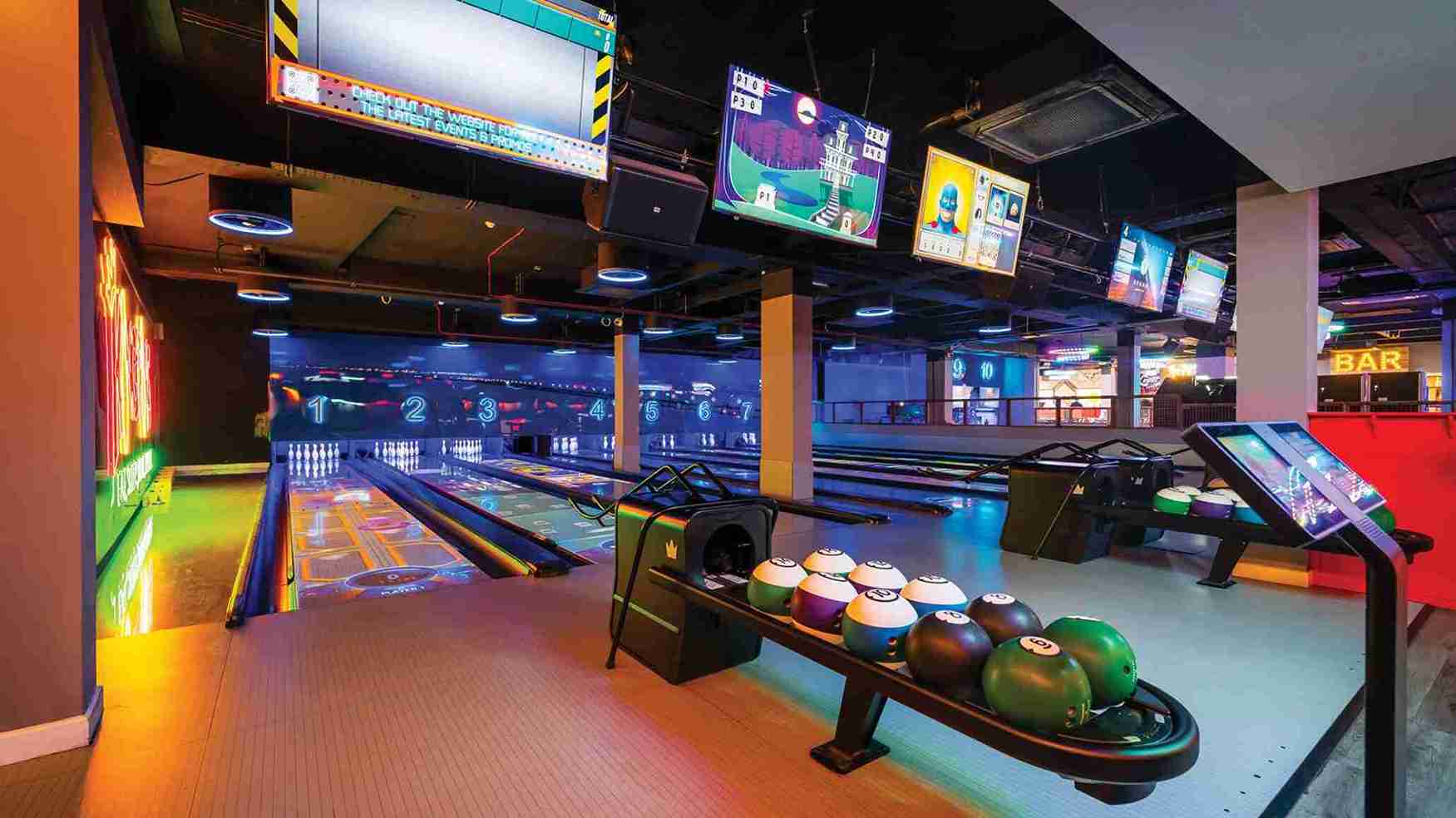
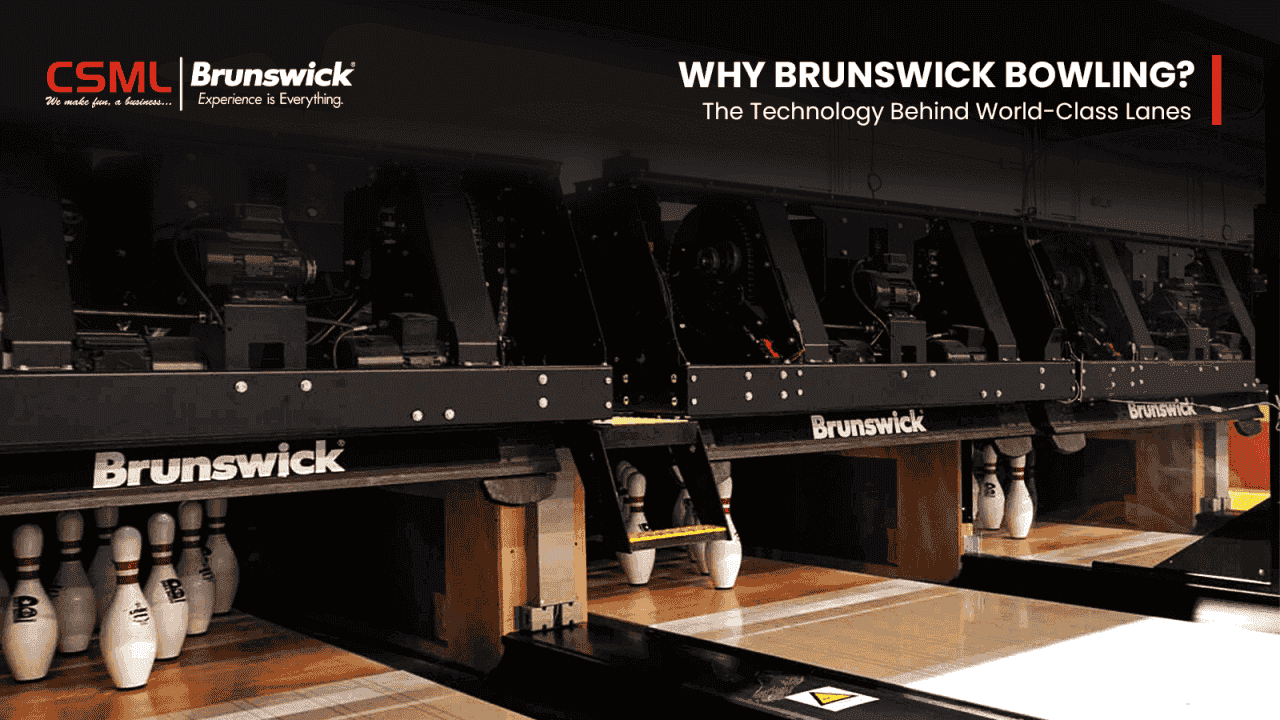
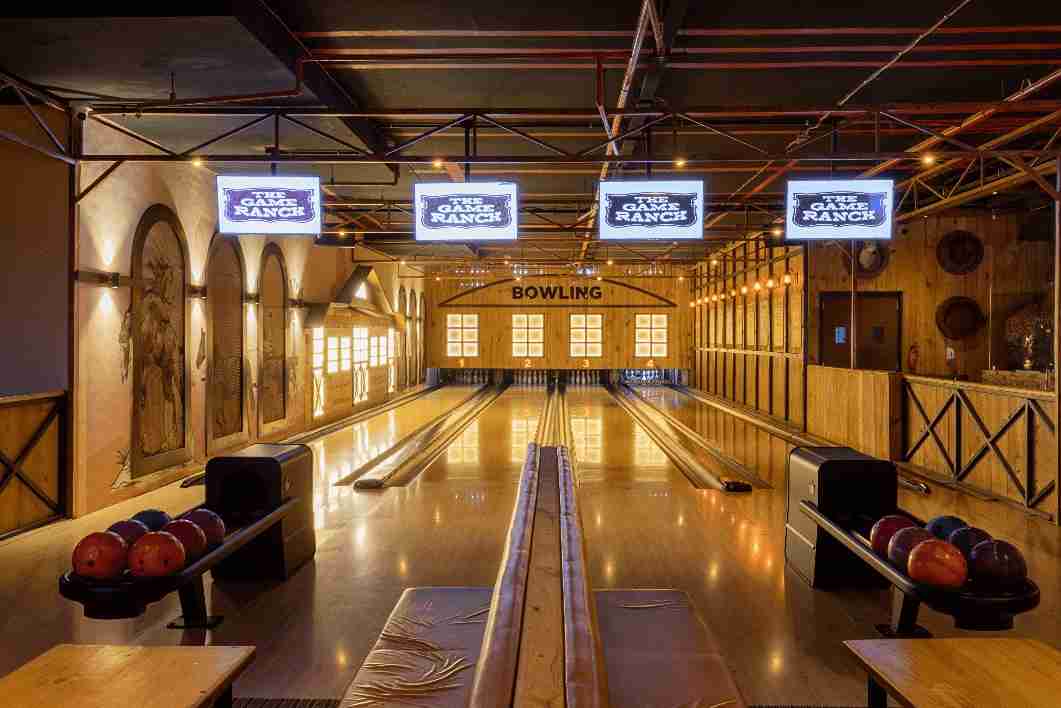
A traditional ten-pin bowling setup generally includes lanes, pinsetters, scoring systems, ball returns, bowling balls, pins, shoes, seating and appropriate accessories.
Investors can compare several options.
Traditional full-length bowling
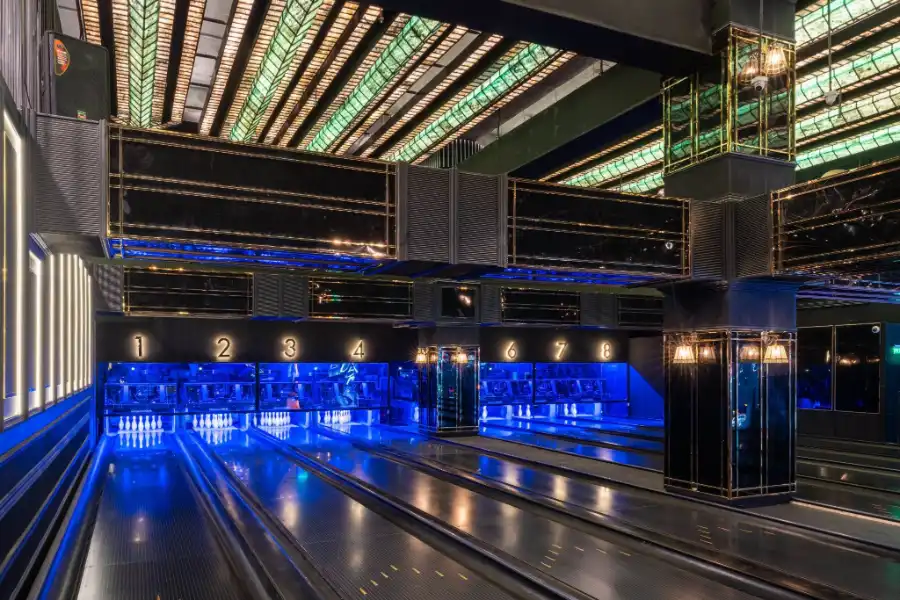
Traditional lanes may suit standalone centres, larger FECs and properties seeking a dedicated bowling attraction. They provide the familiar ten-pin experience but require careful space planning and coordination with the building design.
Compact bowling formats
Where space is limited, a compact format may be worth evaluating. Brunswick's Duckpin Social, for example, is designed for a smaller footprint than traditional full-length bowling. The manufacturer's published dimensions list a lane length of 31 feet 4.5 inches and a width of 11 feet 6 inches for a pair of lanes.
Compact bowling is not automatically the best option for every hotel or mall. Investors should compare the playing experience, target audience, capacity, equipment package and commercial objectives before deciding.
Scoring and entertainment technology
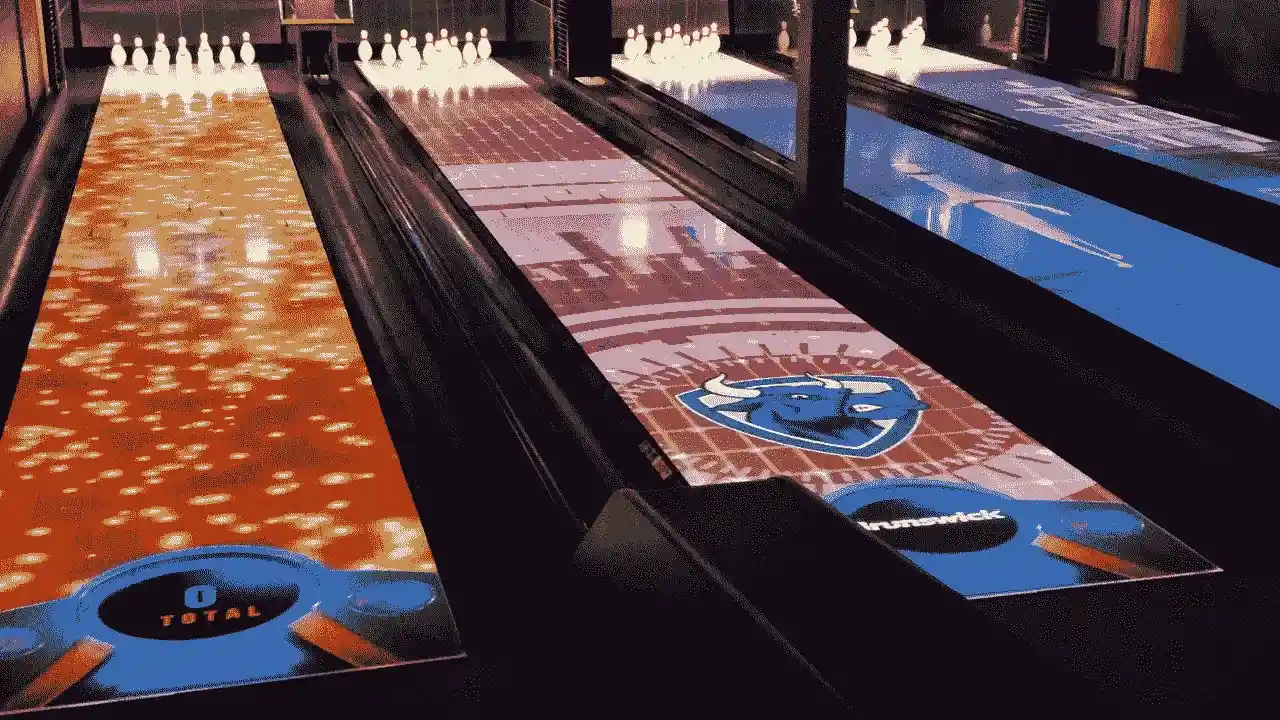
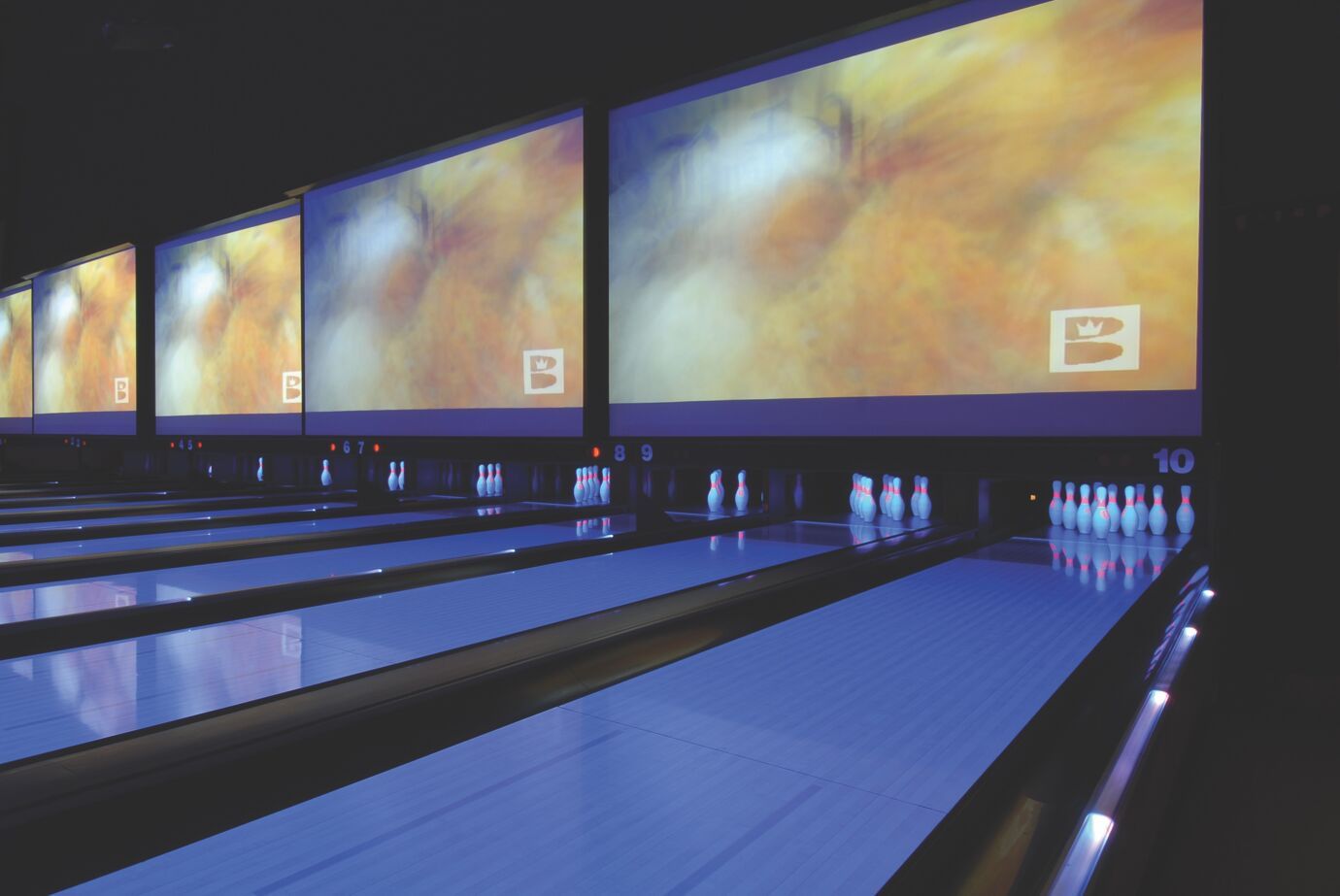
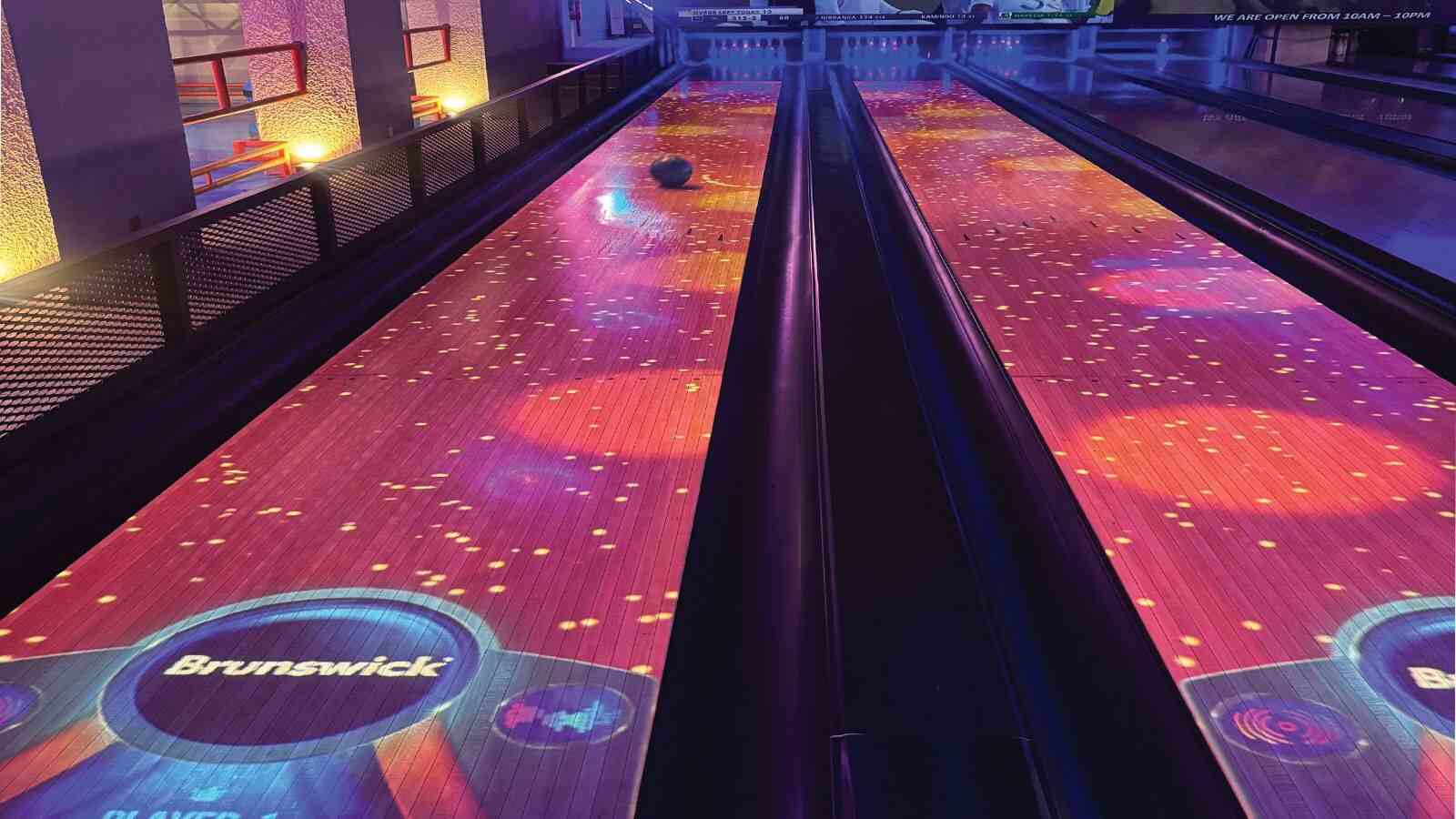
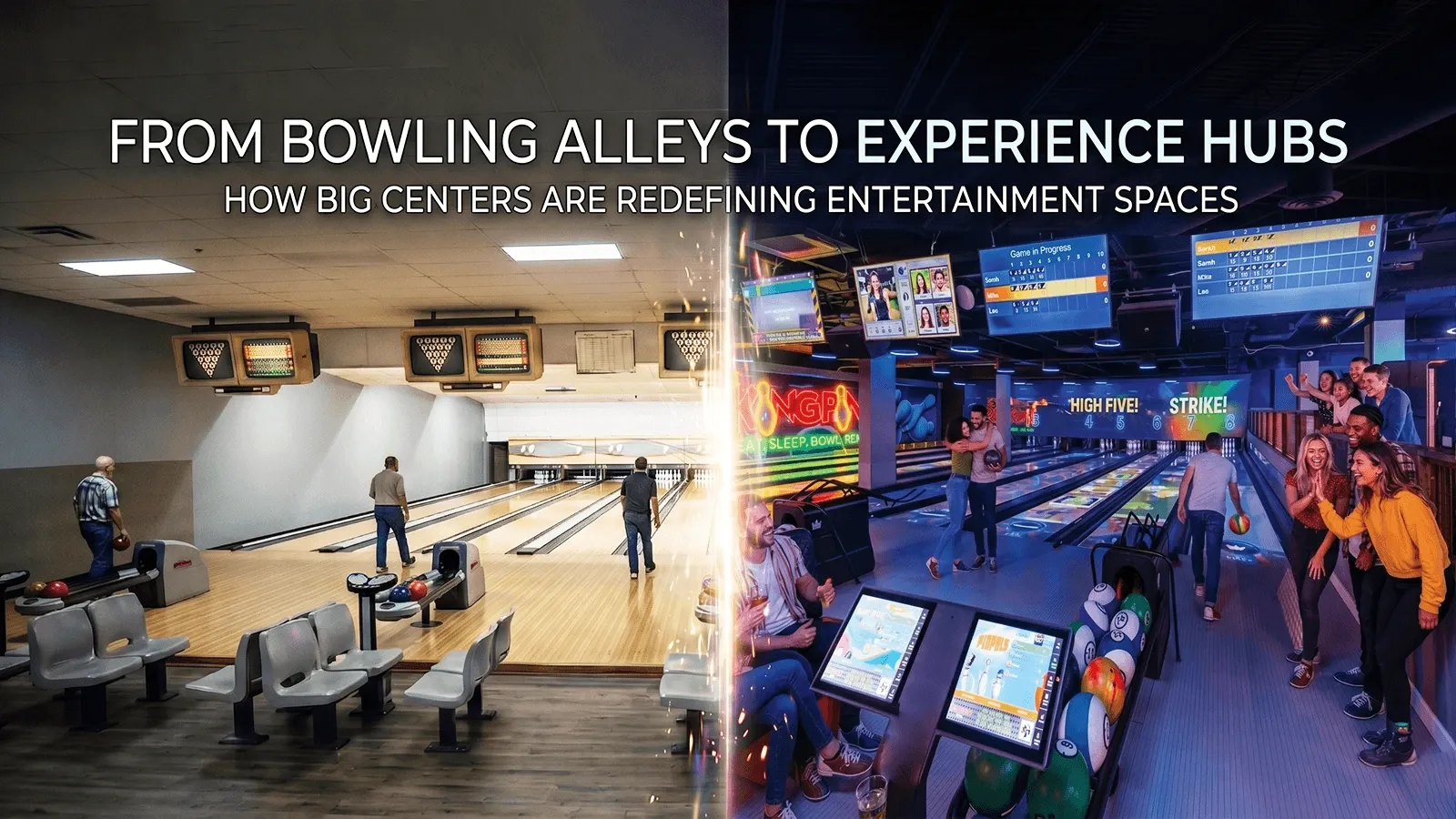
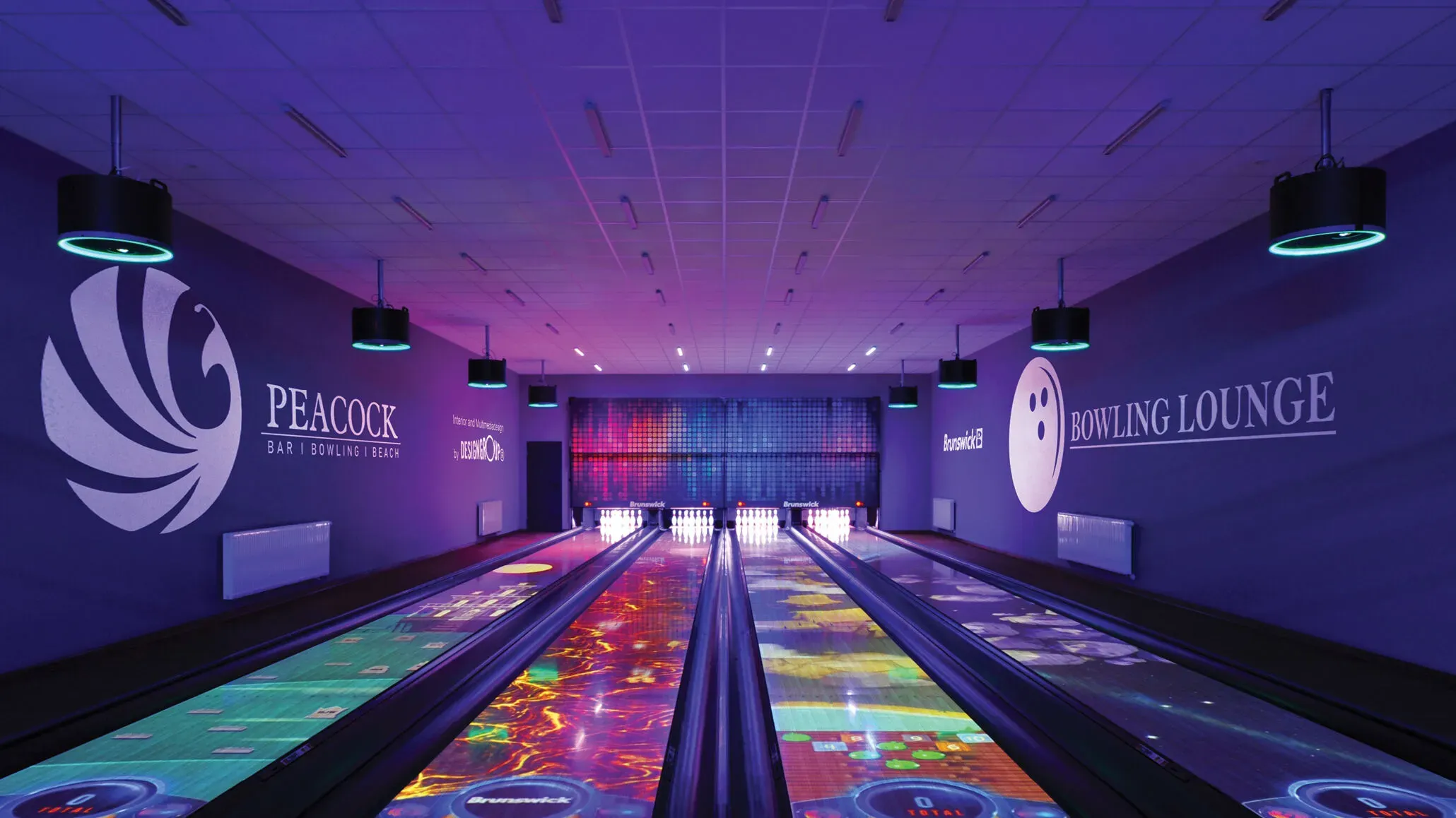
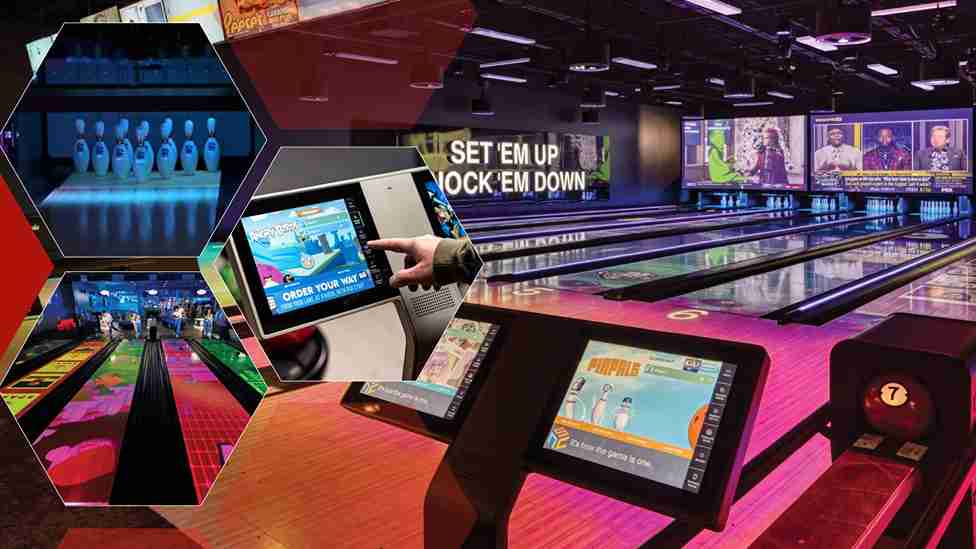
Modern scoring systems, interactive games and lighting features can help shape the customer experience. Brunswick's product portfolio includes SYNC scoring technology and SPARK immersive bowling.
The investment decision should consider the benefits of these features against their purchase cost, compatibility, maintenance requirements and ongoing software or service expenses. A simpler configuration may be more appropriate for some projects than a technology-intensive entertainment concept.
4. Plan the Bowling Centre Design and Customer Experience
Effective bowling alley design connects the technical layout with the customer journey.
The venue should provide a clear route from entry and check-in to lane allocation, seating and refreshments. Staff should be able to supervise the playing area, manage bookings and respond to equipment issues without disrupting customers.
For an FEC, consider how bowling will interact with arcade games and other attractions. In a hotel, the design may need to complement the property's existing interiors and guest facilities. A standalone venue may benefit from dedicated party spaces or a viewing area for spectators.
The architect, equipment supplier and building contractor should coordinate early. This allows lane layouts, structural requirements, electrical connections, ventilation and service access to be considered before construction decisions become expensive to change.
Investors should also consult the relevant Sri Lankan authorities and qualified local professionals about planning permission, building approvals, permitted use, fire safety, accessibility and other requirements applicable to the property.
5. Estimate the Investment and Operating Costs
There is no single setup cost that applies to every bowling centre. The total investment depends on the number and type of lanes, equipment specifications, property condition, construction scope and chosen attractions.
Prepare a project budget that separates initial investment from recurring operating expenses.
Initial investment may include:
- Property acquisition, leasing deposits or fit-out costs.
- Bowling lanes, pinsetters, scoring systems and accessories.
- Interior design, seating, lighting and signage.
- Electrical work, air conditioning and other building services.
- Shipping, insurance, installation and commissioning, where applicable.
- Pre-opening recruitment, training and marketing.
Ongoing operating expenses may include:
- Rent, salaries and staff training.
- Electricity, air conditioning and other utilities.
- Equipment servicing, lane maintenance and consumables.
- Software subscriptions and payment processing.
- Cleaning, insurance, marketing and replacement parts.
For imported equipment, request a written quotation that clarifies the equipment specification, currency, delivery terms, freight, insurance, applicable taxes and duties, installation scope and warranty conditions. These costs should be verified for the specific Sri Lankan project rather than estimated from prices in another country. As a complete project partner, CSML makes this simple by managing planning, sourcing, import, installation, and execution end to end, so you have one dependable point of contact from start to finish.
6. Evaluate Revenue Potential and Financial Feasibility
A credible feasibility study should test how the venue might perform under different operating conditions.
Potential revenue streams include lane bookings, walk-in games, birthday parties, corporate events, group packages and food and beverage sales where these are part of the concept.
Build a financial model using realistic assumptions for opening hours, lane utilisation, average spend, staffing, rent and maintenance. Model conservative, expected and stronger-demand scenarios rather than relying on a single optimistic forecast.
For example, a centre with substantial weekday capacity but limited bookings may perform differently from a hotel amenity supported by existing guest traffic. Neither outcome should be assumed without evidence.
Calculate the operating break-even point, estimate working capital requirements and assess how much financial flexibility the business would retain if customer demand or opening timelines fell below expectations. Profitability and return on investment depend on local demand, pricing, utilisation, costs and the quality of execution.
7. Work With a Bowling Equipment Partner
Choosing a suitable supplier is an important part of project planning. Investors should compare equipment specifications, layout guidance, compatibility, delivery arrangements, warranty terms, training and access to technical support.
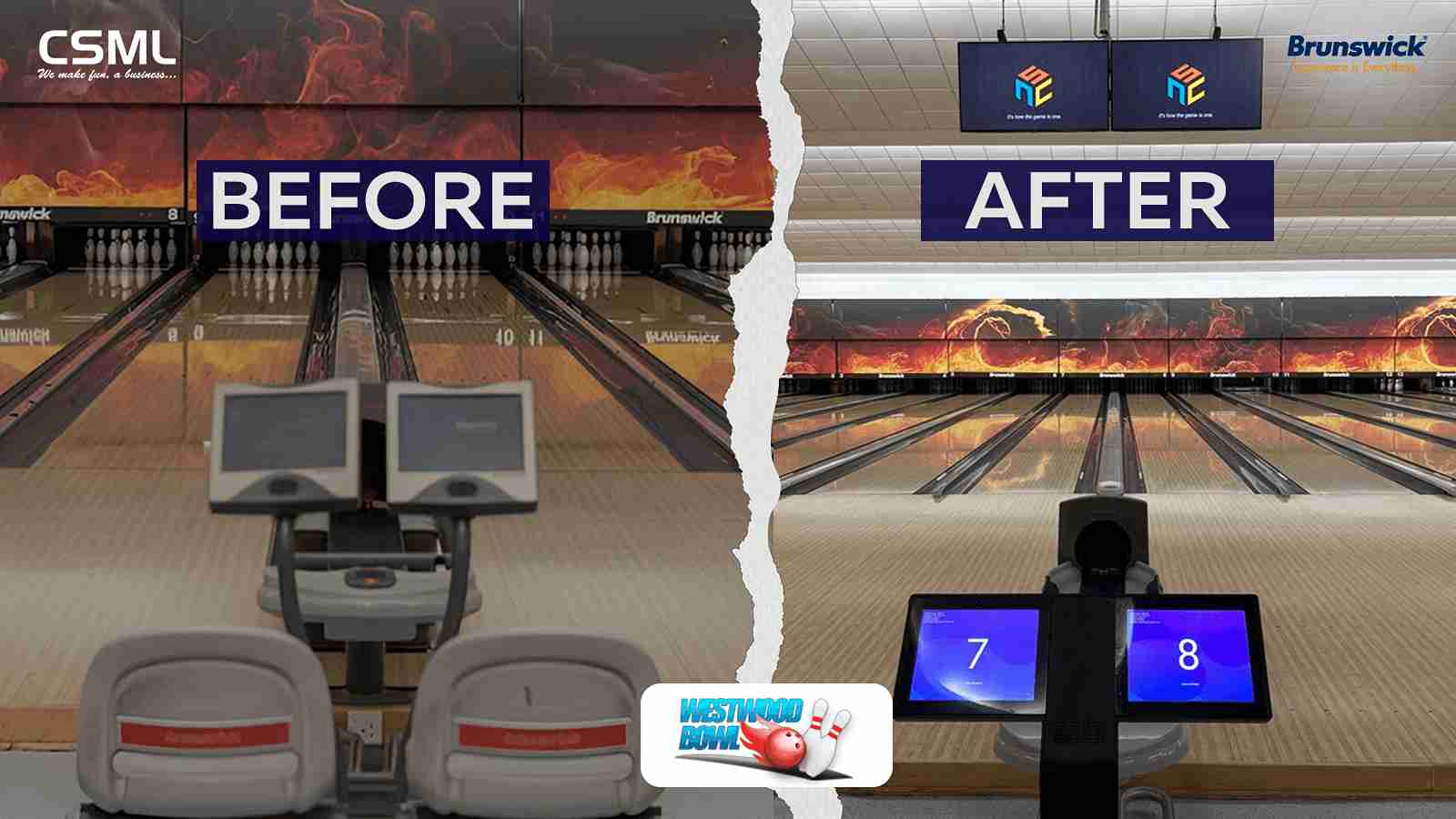
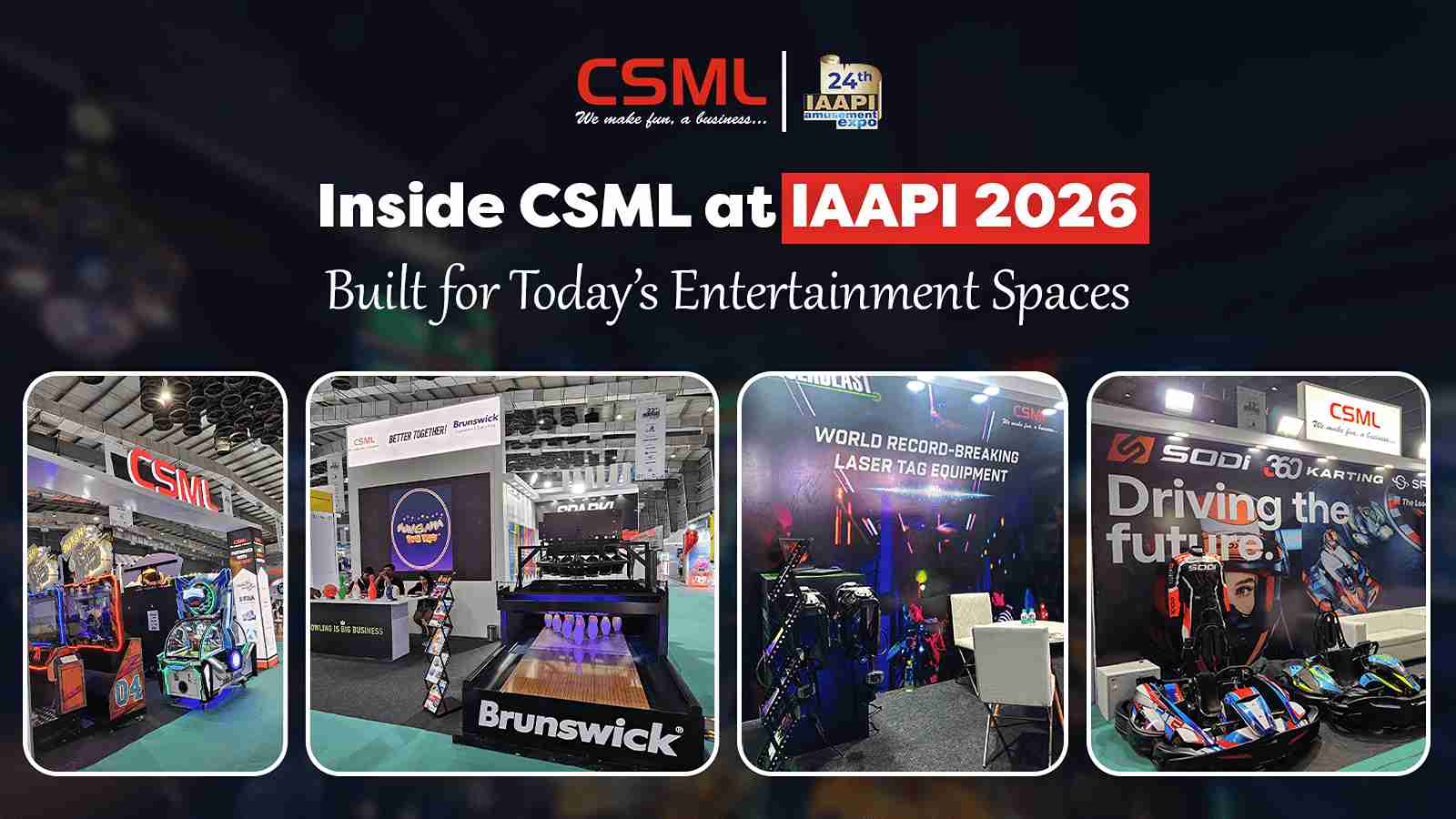
CSML Group is the exclusive Brunswick Bowling distributor for Sri Lanka. Brunswick’s bowling range includes traditional lanes, Duckpin Social, scoring systems, pinsetters and related equipment. Take a closer look at CSML Group’s bowling project in Sri Lanka and see how Brunswick Bowling equipment is helping shape the future of entertainment.
Start Planning Your Bowling Centre in Sri Lanka
A successful bowling centre begins with a clear business concept, a suitable property and a realistic financial plan. Equipment, layout and technology should support the intended customer experience while remaining practical to operate and maintain.
Whether you are developing an FEC, upgrading a shopping mall's entertainment offering or planning a hotel leisure facility, evaluate the project around your location, audience and long-term operating objectives.
Contact CSML Group to learn more about Brunswick Bowling solutions and discuss the equipment requirements for your proposed project in Sri Lanka.