


Can Bowling Alleys Be Profitable? Key Insights for Business Owners and Investors
25 August 2026
5 Min Read
Is a bowling alley a good investment in 2026? This is the question most prospective owners ask before they commit any capital, and it comes down to bowling alley profitability specifically, how much of the revenue actually reaches the bottom line. The entertainment industry has changed considerably since the pandemic, and bowling has repositioned itself as a social and leisure destination rather than simply a sport. This guide sets out typical profit margins, the factors that drive them, and how you may be able to improve them once your venue is up and running.
How Profitable Is a Bowling Alley, Really?
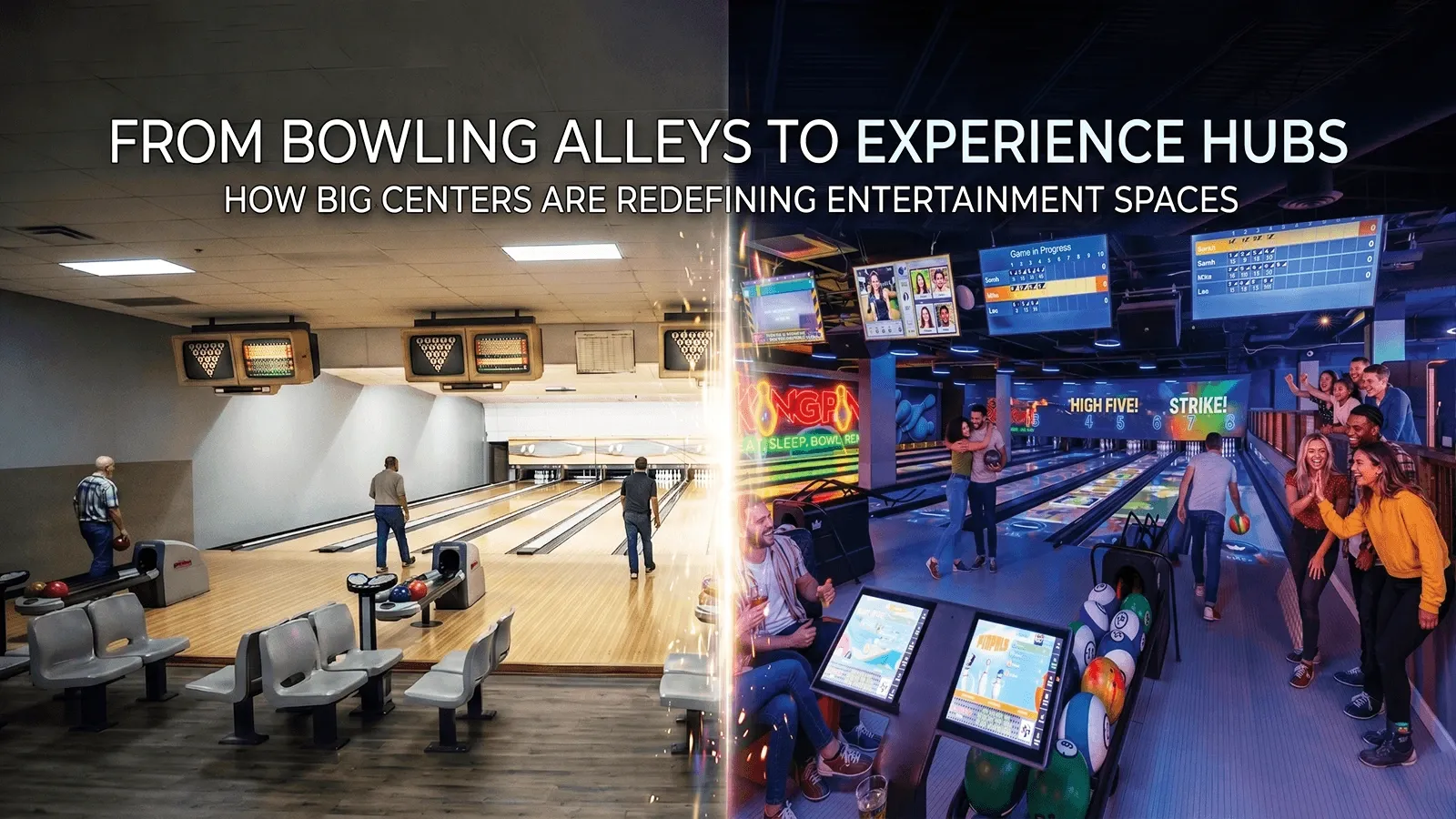
The honest answer is: it depends on the model, but the numbers are generally encouraging. Industry data suggests that traditional, unmodernised centres typically operate on net margins of around 10–15%, whilst modern venues can achieve considerably more. This means that a well-run, modern bowling alley may see net profit margins in the region of 15–25%, largely because of stronger food and beverage sales and a broader mix of revenue streams.
It is important to keep in mind that gross revenue and net profit are not the same thing. Gross revenue can look big, but it's just the total money coming in, before you pay for things like rent, staff wages, and repairs. Bowling alley profit margins are what remain after those costs, and this is the figure that actually matters to an investor. In comparison to other leisure businesses, cinemas and arcades, for example, bowling alleys typically hold their own on margin potential, particularly once food, drink, and events are factored in. But margins vary widely; here's what actually makes a difference.
What Affects a Bowling Alley's Profit Margins
Profit margins are not fixed. They shift according to a handful of practical, controllable factors, and understanding them is the first step towards improving your own numbers.
Location & Footfall
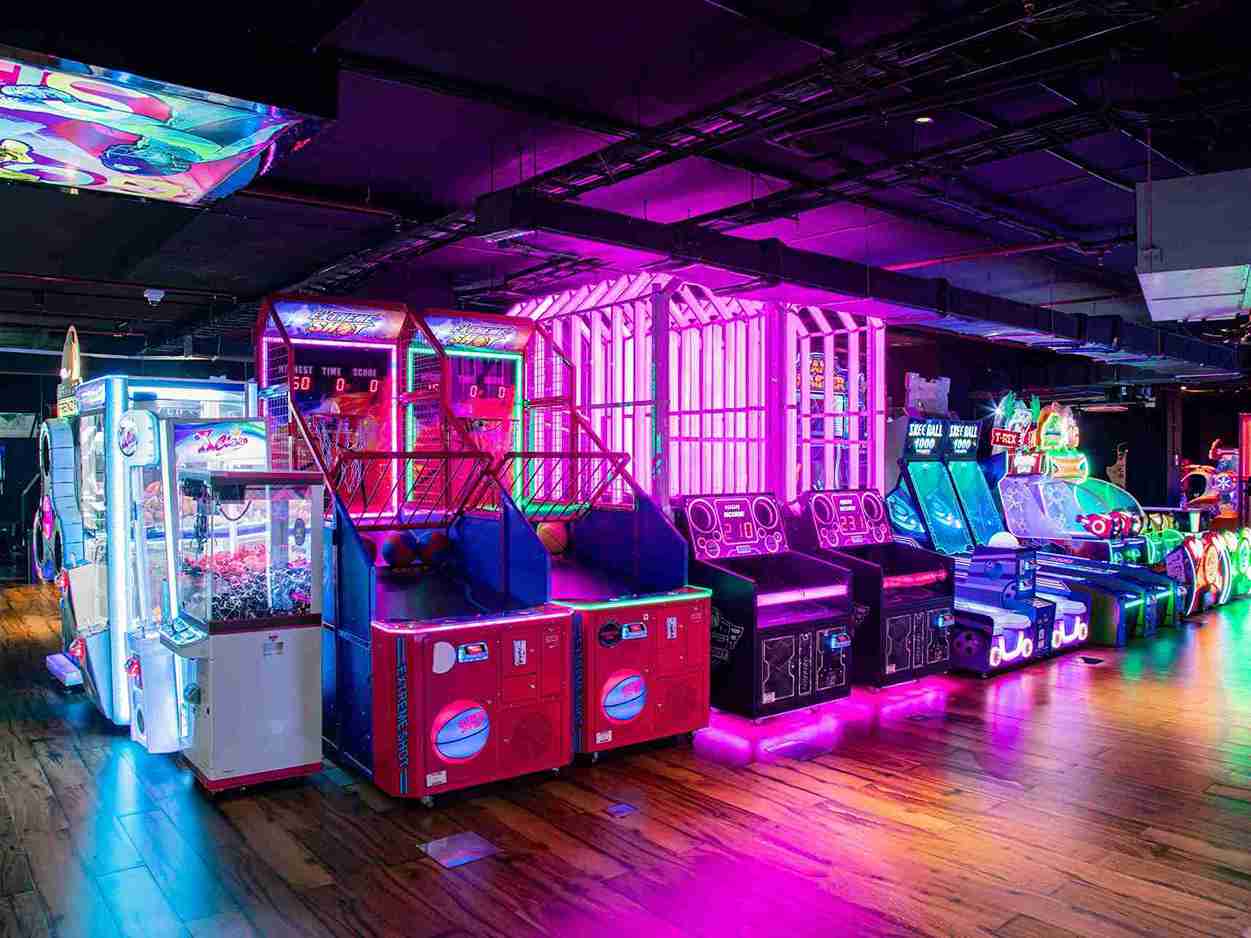
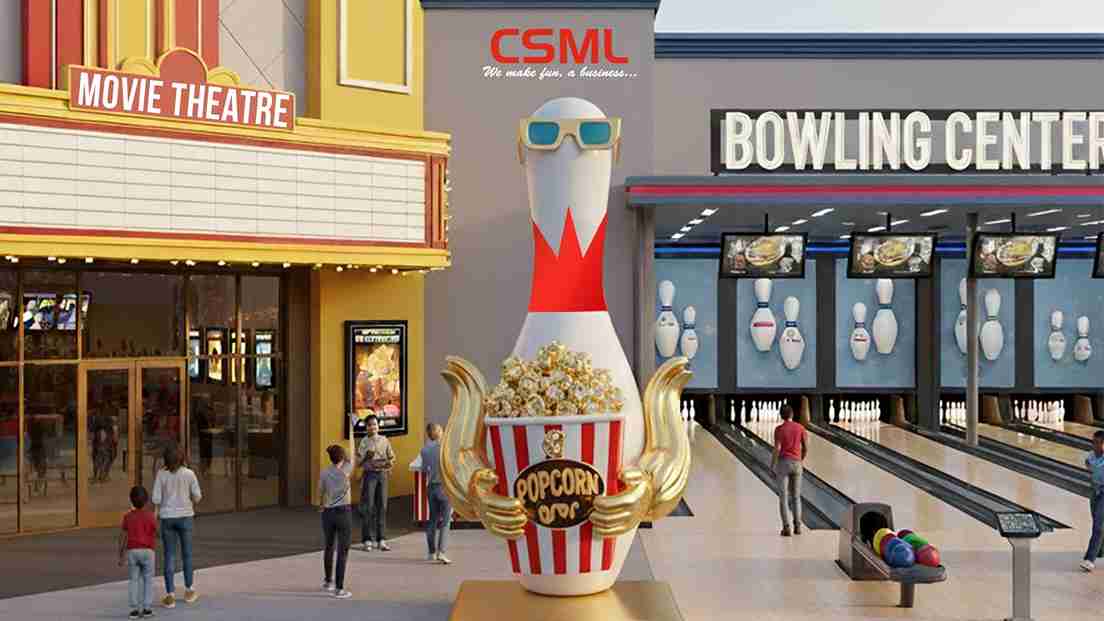
Location has a direct connection with footfall, and footfall has a direct connection with revenue. A high-footfall retail or mall location will typically generate more casual walk-in business than a standalone site, though this often comes with a higher rent-to-revenue ratio. This means that a cheaper site is not automatically the more profitable one, once ongoing rent is weighed against likely visitor numbers. Proximity to a residential or office catchment area is usually a reliable indicator of consistent midweek trade. Many operators are also pairing a bowling alley with a broader gaming zone setup, which helps spread footfall across the day rather than relying solely on evening and weekend bookings.
Lane Utilisation & Peak Hours
The gap between weekday and weekend utilisation is, in most cases, the single biggest strategy for profitability. Lanes sitting empty on a Tuesday afternoon represent lost revenue that cannot be recovered later in the week. Therefore, filling off-peak hours is where much of the real margin improvement happens. This is typically achieved through dynamic pricing, league nights, and corporate bookings, all of which help smooth out demand across the week rather than concentrating it into a handful of peak sessions.
Equipment Quality & Maintenance Costs
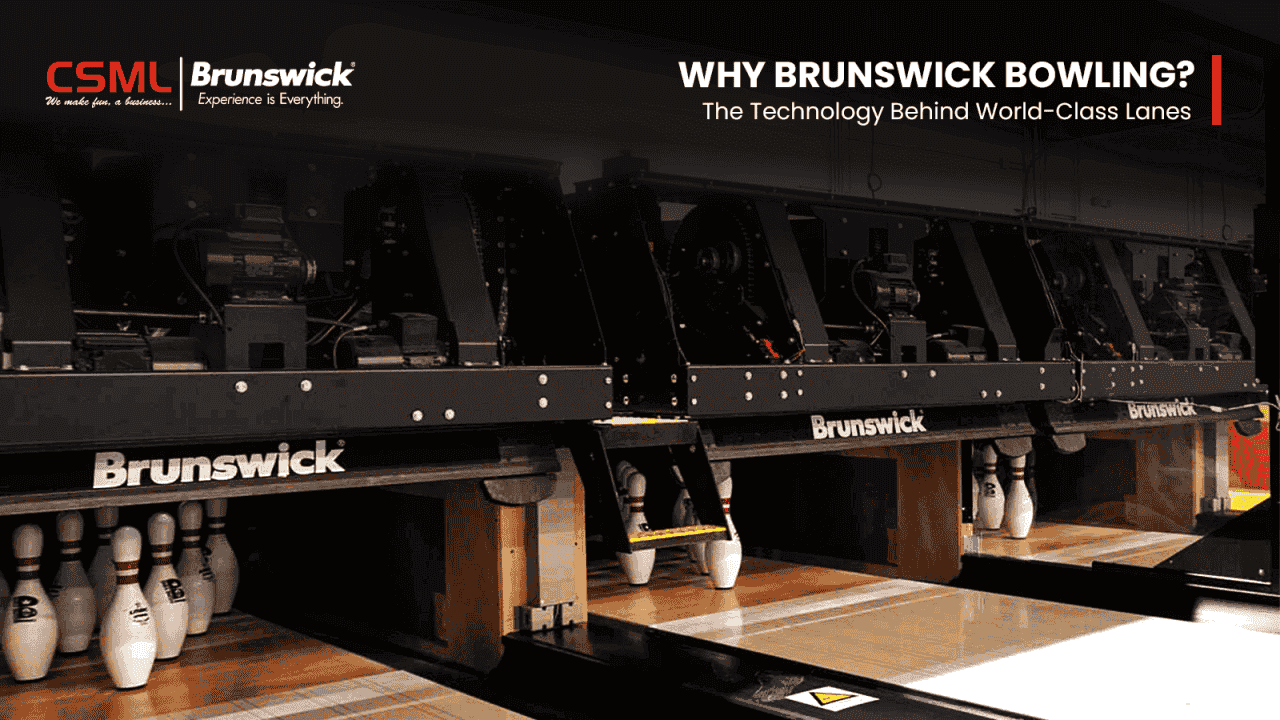
Poor-quality pinsetters and lanes cause downtime, and downtime directly eats into margins. If a lane is out of action, it is not generating revenue, yet fixed costs such as rent and staffing continue regardless. This means that sourcing equipment from a reliable bowling supply company has a long-term effect on maintenance costs, not just an upfront one. It is advisable to weigh equipment cost against expected lifespan and downtime, rather than choosing on price alone.
Why Modern & Boutique Bowling Alleys Perform Better
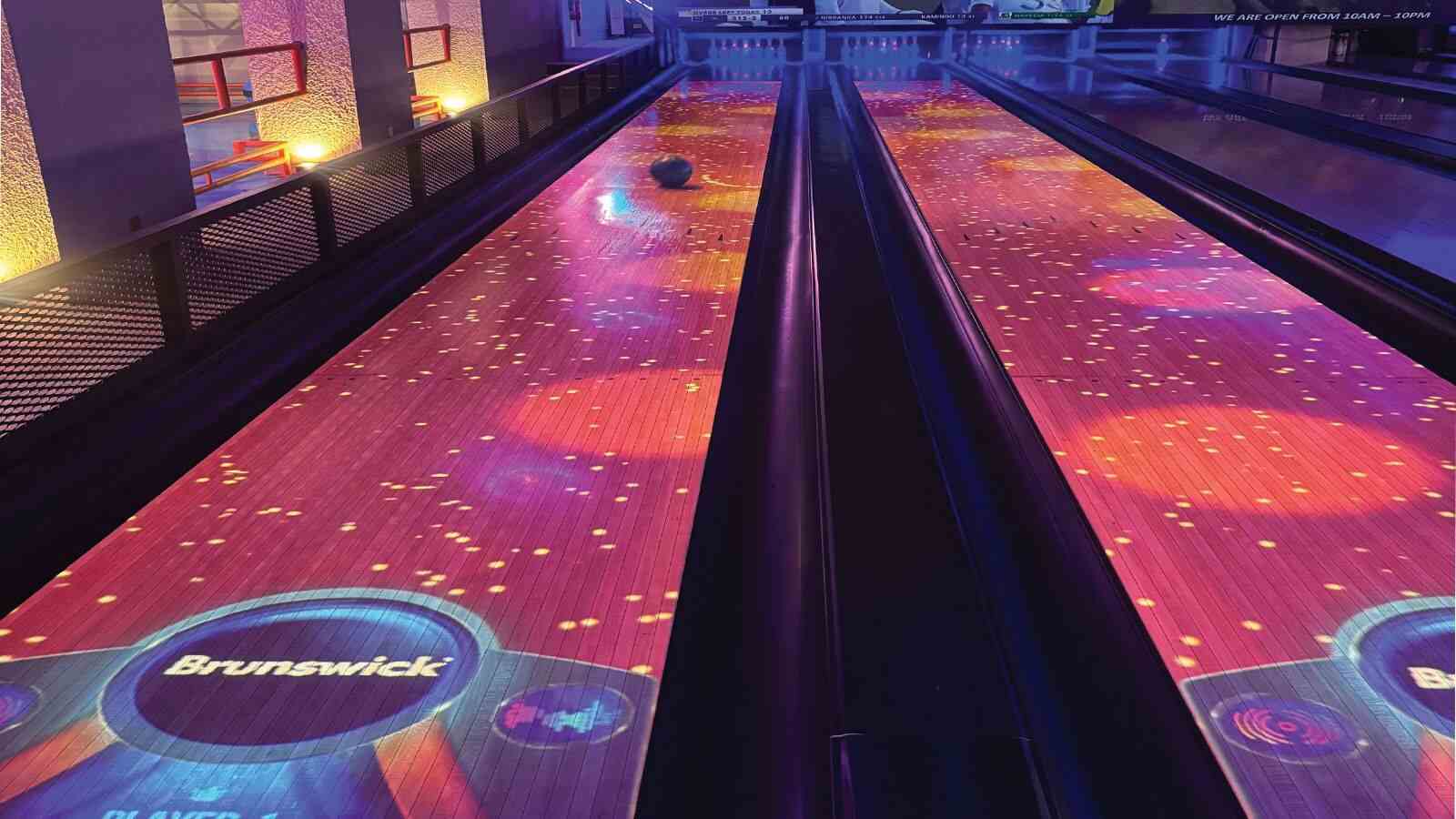
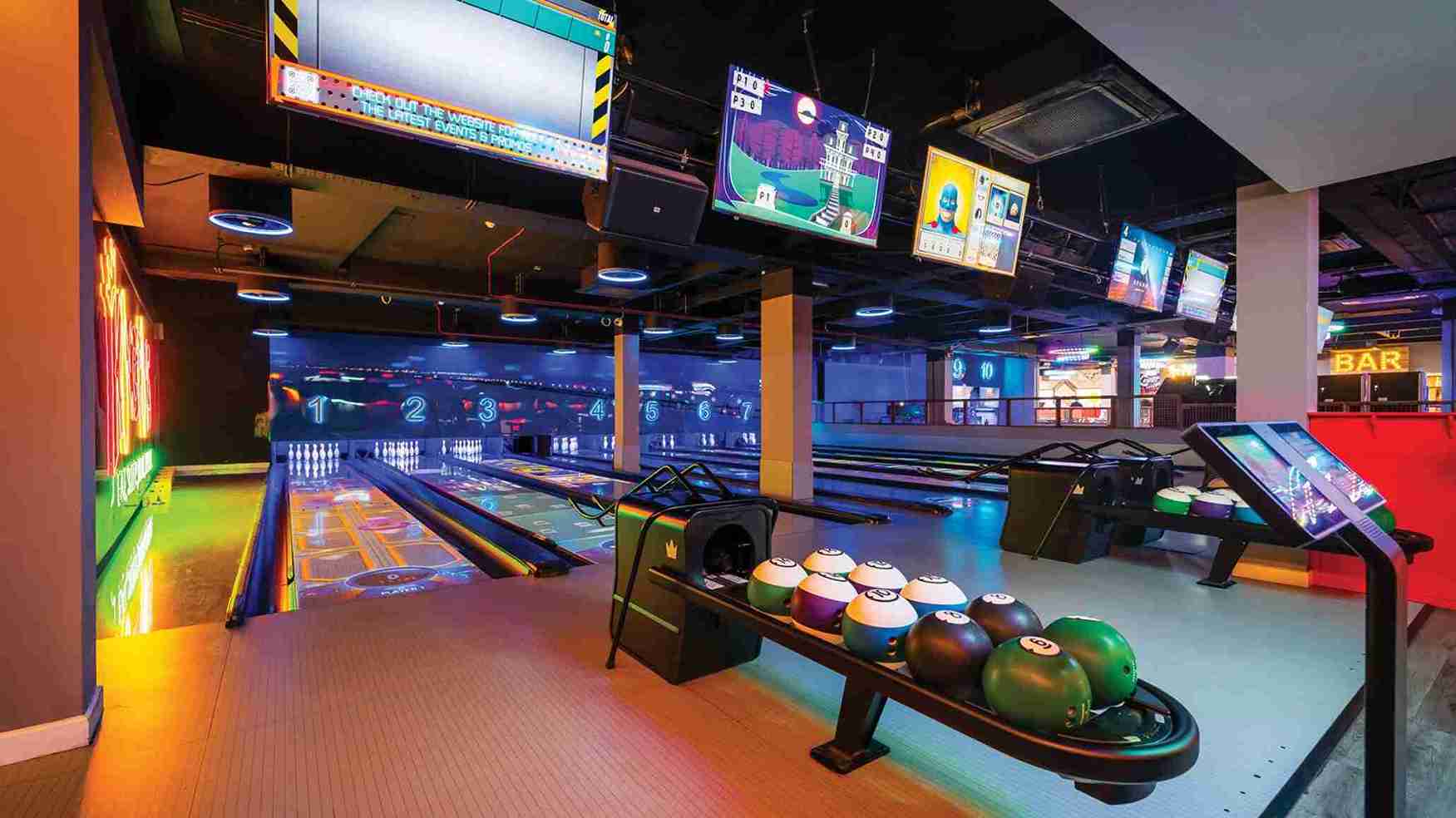
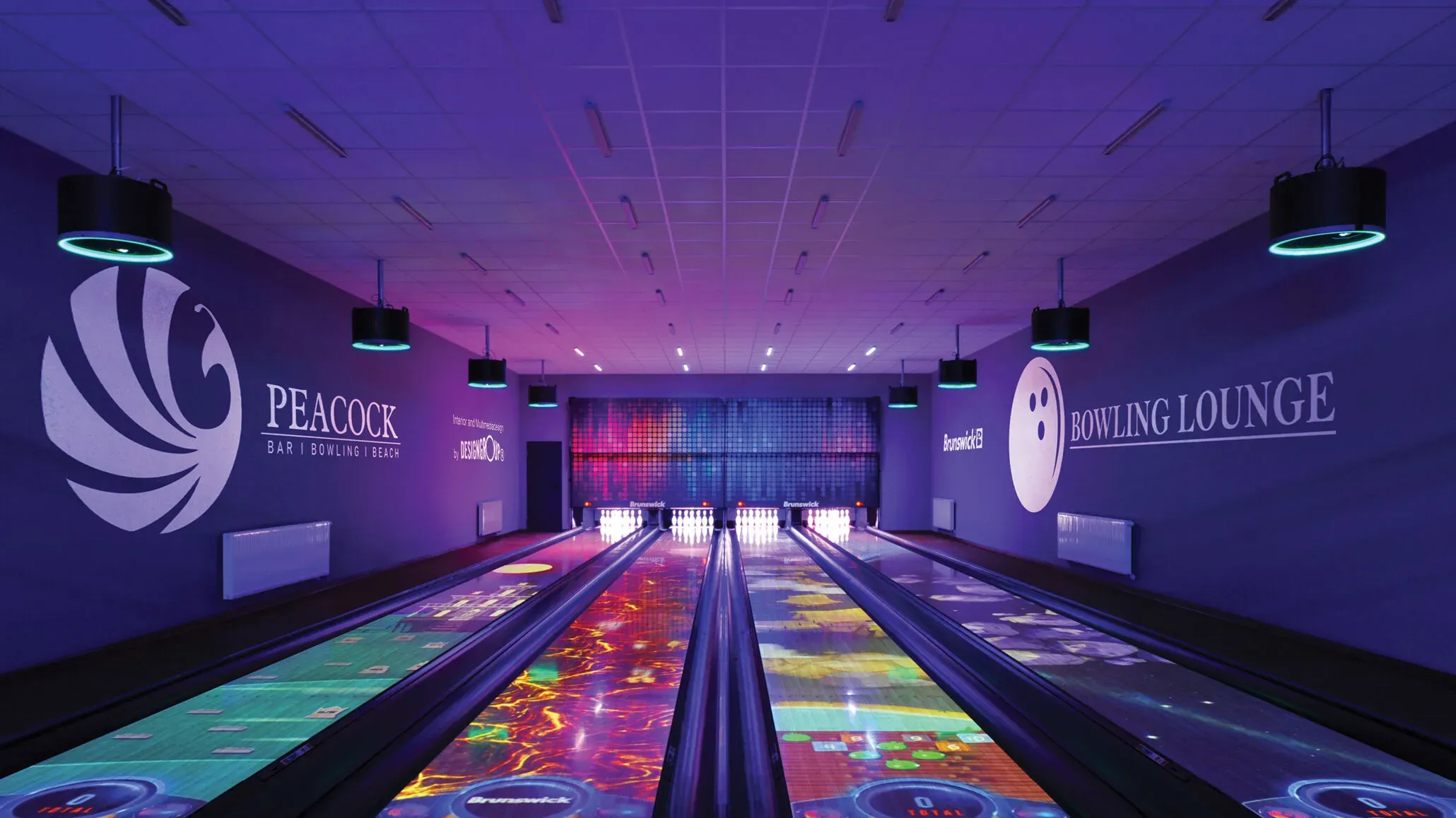
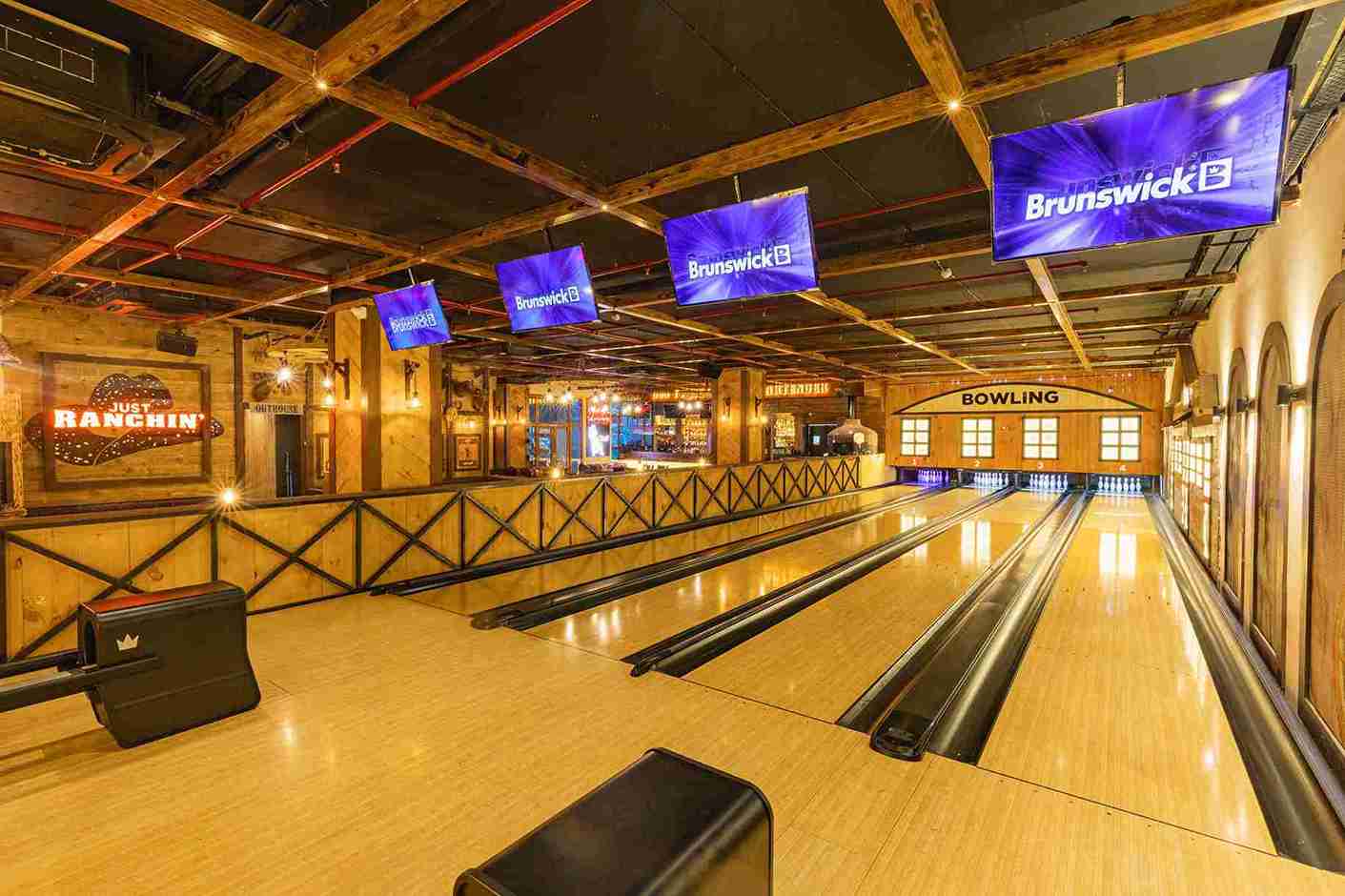
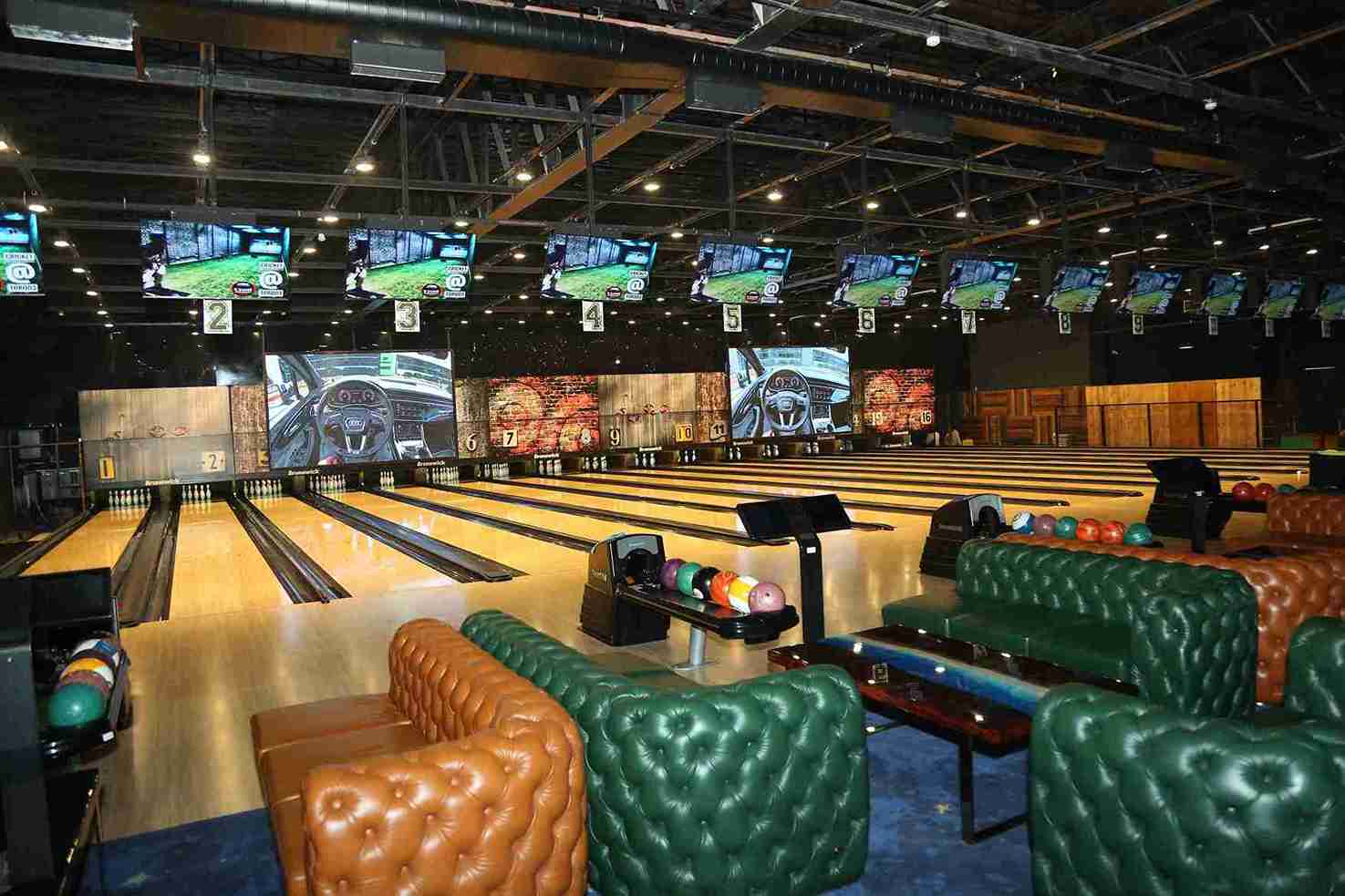
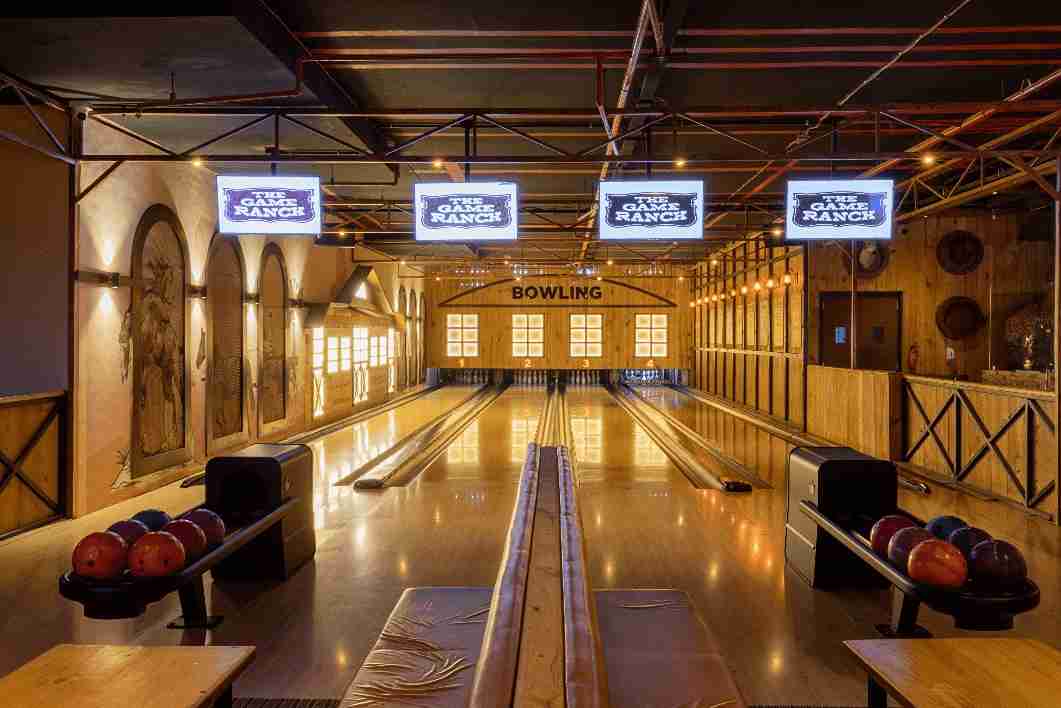
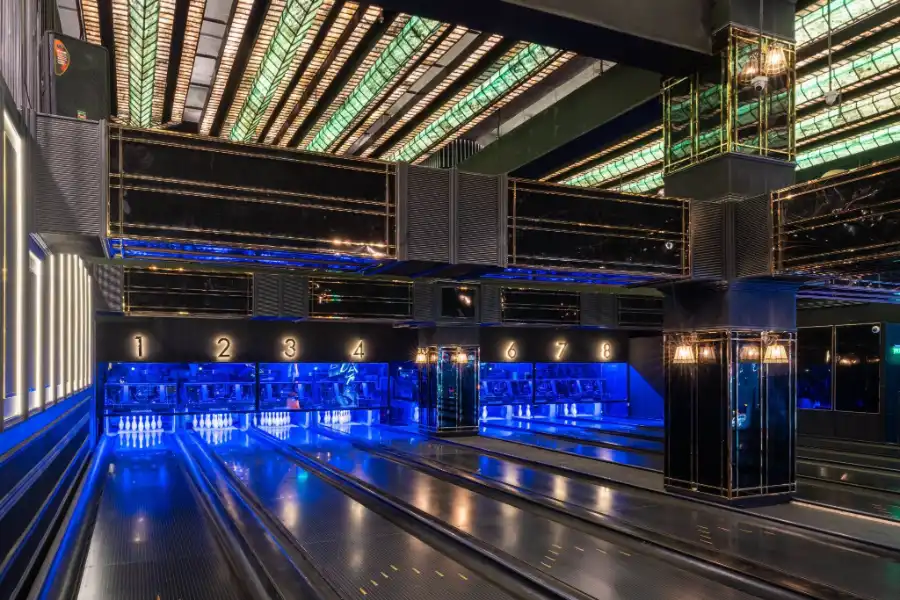
You are probably wondering why a modern bowling alley tends to outperform a traditional one on margin, given that both offer, fundamentally, the same activity. The answer lies in positioning. Bowling alleys have, over the past several years, repositioned themselves as premium social and lifestyle destinations like cocktail bars, curated music, and mood lighting rather than purely family-oriented venues aimed at league play.
This premiumisation allows for a higher spend per head. This means that a customer who might once have paid for a single game and a soft drink is now, in many cases, paying for a game, a cocktail, and a shared plate of food, all within the same visit. Boutique bowling alleys, in particular, lean into this model, often operating fewer lanes but generating considerably more revenue per square foot as a result of premium food and beverage sales. For a closer look at how this shift is playing out in practice, it is worth reading a related piece on how premium bowling spaces are becoming the new social hotspot.
Of course, this approach is not without its trade-offs. A boutique venue typically carries higher fit-out costs and requires a more experienced hospitality team, so the higher margin potential comes with a higher operating standard to maintain.
Top Revenue Streams Beyond Lane Rentals
Relying on lane rentals alone tends to cap your profitability, so it is worth diversifying income wherever practical.
- Food & beverage: This is typically the highest-margin add-on available to a bowling operator, particularly where alcohol is served, and it is worth investing in the food offer as seriously as the lanes themselves.
- Private events, birthday parties, and corporate bookings: These provide high-value, pre-booked revenue, which in turn helps with cash flow forecasting and fills lanes that might otherwise sit idle.
- Membership and loyalty programmes: These encourage repeat visits and provide a more predictable, recurring income stream than one-off walk-ins.
- Arcade and gaming add-ons within the same footprint: These generate revenue with relatively little additional labour, once installed.
- Merchandise and a pro shop: This is a minor revenue stream on its own, but it adds up meaningfully over the course of a year.
For a broader view of how these streams work together in practice, a related article on how modern bowling centres are turning fun into big business covers this in more depth.
Is Now a Good Time to Invest in a Bowling Alley?
The fact is, profitability is achievable, but it depends far more on design, equipment, and location decisions than on the "bowling" label itself. Two venues offering the same activity can produce very different returns, and the difference usually comes down to the decisions covered above rather than the sport itself.
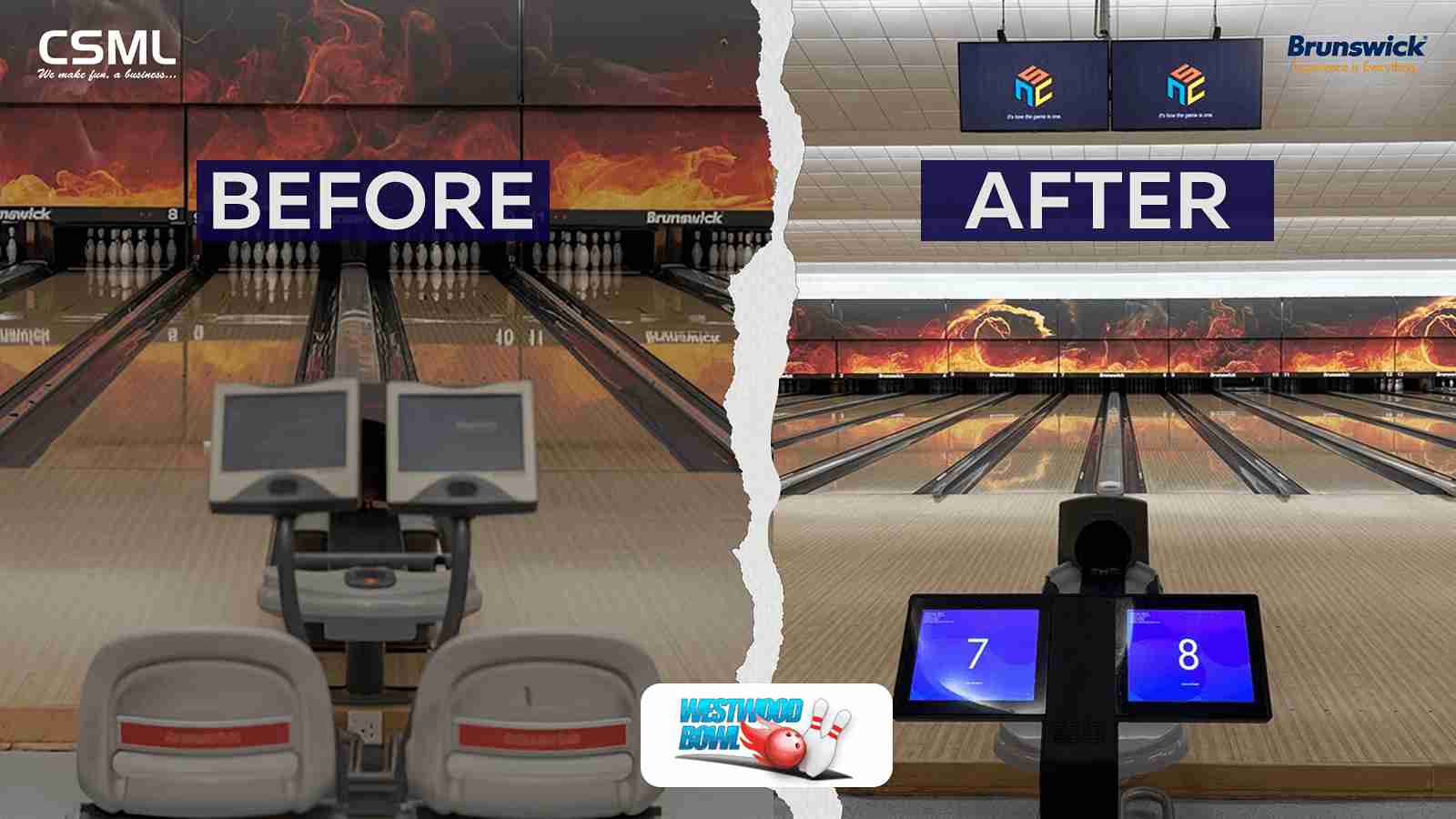
It is always recommended that new operators plan equipment and layout decisions with a long-term maintenance budget in mind, rather than focusing solely on the initial build cost. Partnering with an experienced bowling supply company, such as CSML Group who are experts in gaming zone setup, can reduce setup risk and support stronger margins over the life of the venue, particularly where ongoing equipment support is included as part of the arrangement.
The leisure economy, both in India and globally, continues to grow, and bowling is increasingly positioned within it as a mainstream social activity rather than a niche pastime. This means that, for owners and investors prepared to modernise their approach, the opportunity in 2026 remains a genuine one.
Frequently Asked Questions
Is a bowling alley a profitable business?
Yes, in most cases, provided it is run with an eye on diversified revenue and cost control. Traditional centres typically see net margins of around 10–15%, whilst modernised venues can reach 15–25% or more.
What is the average profit margin for a modern bowling alley?
Modern, well-managed venues typically achieve net profit margins of 15–25%, largely due to stronger food and beverage sales. This is usually well above the margins seen in traditional, unmodernised centres.
What are the most profitable revenue streams for a bowling center?
Food and beverage typically carries the highest margin, followed by private events and corporate bookings. Arcade and gaming add-ons also contribute meaningfully with relatively low ongoing labour costs.
How important is location for a bowling alley's success?
Location is one of the most significant factors. High footfall, easy access, and proximity to a residential or office catchment area typically have a direct effect on lineage and overall revenue.
How much can a bowling alley owner make?
This varies considerably by model and scale, but modern FEC and boutique venues typically outperform traditional centres on both revenue per lane and net margin. It is advisable to model your own figures against local footfall and rent costs rather than relying on industry averages alone.